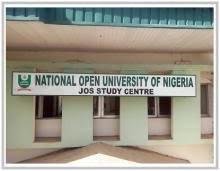
Hi everyone, welcome to MBAKen. My name is Ajibola. Today, we are diving deep into the National Open University of Nigeria (NOUN). Having been a student there myself, I have a fair bit of authority on the subject.
Whether you are a prospective student, faculty member, or you work in a cyber café helping students, please join the conversation. My goal is for this post to be a one-stop shop for anyone wanting to make an informed decision about NOUN. Let’s get into the top 20 questions!
Part 1: General Overview & Reputation
1. What is the National Open University of Nigeria (NOUN)?
NOUN is Nigeria’s premier Open and Distance Learning (ODL) institution. It is the leading ODL institution in Africa, with over 500,000 active students as of 2025. Its goal is to provide quality education regardless of your age or background.
2. Is NOUN accredited?
Yes. NOUN is fully accredited by the National Universities Commission (NUC). You can relax knowing your certificate is recognized by employers and government bodies.
3. Where is NOUN located?
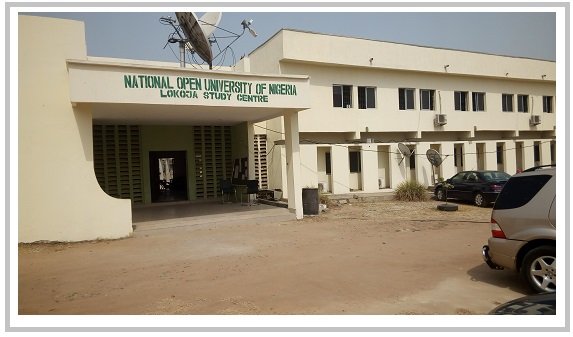
The headquarters is in Abuja. However, as of late 2025, there are about 85 study centers scattered across every part of Nigeria. There are even rumors of international centers—check the official NOUN website for the most updated list.
4. How does NOUN differ from conventional universities (like UI or UNILAG)?
The main difference is the flexibility. It is ODL-based, meaning you study at your own pace. You aren’t confined to a classroom every day, making it perfect for working professionals.
Part 2: Admission & Application
5. How can I apply to NOUN?
It’s simple: Go to the official website, nou.edu.ng, select your program (Undergraduate or Postgraduate), fill out the form, and make the payment. You’ll likely receive provisional admission almost immediately.
6. What are the undergraduate requirements?
Generally, you need a minimum of five credits in WAEC/NECO/NABTEB in subjects relevant to your chosen course.
7. Are there specific JAMB cut-off marks?
No. NOUN does not operate with a strict JAMB cut-off mark like conventional universities. Admission is based on meeting the minimum credit requirements and space availability.
8. Can I transfer from another university to NOUN?
Yes. You can apply for a transcript transfer. Depending on your previous results (ND, HND, or degree), you could gain admission into the 200 or 300 level.
Part 3: Programs & Duration
9. What programs are offered?
NOUN offers a full package:
-
Law and Nursing Science (Yes, they offer these!)
-
Social Sciences and Humanities
-
Business Administration
-
Health Sciences
-
Postgraduate: Masters, PGDs, and PhDs.
10. How long does it take to complete a degree?
-
Undergraduate: 4 to 6 years (most are 4).
-
Masters: 1 to 2 years.
-
PhD: 3 to 5 years.
-
Note: Some students mention that getting final results can take a bit longer than a calendar year.
11. Are classes compulsory?
NOUN operates a blended learning model. While much is online, some lecturers at study centers organize physical tutorials. For practical-heavy courses like Nursing or Biology, physical attendance for practicals is often mandatory and scored.
Part 4: Tuition & Fees
12. How much is the tuition?
Fees vary by program. On average, undergraduates might pay around ₦60,000 per semester. Postgraduate fees are naturally higher.
13. Are there additional fees?
Yes. You will pay for:
-
Registration and Library fees (mostly in the first semester).
-
Examination fees (paid per course).
-
Course materials (though some are provided, you often have to print the rest yourself).
14. Can I pay in installments?
Yes. NOUN allows for some flexibility in how you fund your portal, which is a lifesaver for many students.
Part 5: Exams & Results
15. How are exams conducted?
-
100L & 200L: Usually E-exams (Computer Based). This is the best time to boost your CGPA!
-
300L to 500L: Pen-on-Paper. Be warned: these are rigorous. Since lecturers don’t “know” you personally, there’s no room for sentiment in grading.
16. Where do I write my exams?
At your designated Study Center. If space is tight, the university may use nearby selected e-resource centers.
17. Can I appeal my results?
Yes. If you feel you were wrongly scored, visit the ICT center at your study center to log a formal claim.
Part 6: Student Life & Support
18. Is there a Student Union?
Yes, it’s called NOUNSA (National Open University of Nigeria Students Association). It isn’t as “loud” as unions in conventional schools, but they represent student interests.
19. Does NOUN provide accommodation?
No. NOUN does not provide hostels. Students are expected to live at home and only visit centers for administrative tasks, tutorials, or exams.
20. What support services exist?
NOUN provides career counseling, academic advising, and a very robust e-learning resource center where you can access recorded lectures and digital texts for free.
Final Thoughts
NOUN is a fantastic option if you want to balance work and study. However, it requires high discipline. I’ll be doing a follow-up blog post comparing NOUN with Miva Open University, as they are currently the two biggest players in the Nigerian ODL space.
Were you a NOUN student? Please share your experience in the comments! Did you enjoy it? Any regrets? Let’s help the next generation of students make an informed choice.
Helpful Resources
Have any thoughts?
Share your reaction or leave a quick response — we’d love to hear what you think!
-
 0
0
-
 0
0
-
 0
0
-
 0
0
-
 0
0
-
 0
0
