School Reviews by Real Students.
  • Home
  • University
  • Polytechnic
  • college of Edu
  • Other Institutions
    • Scholarship
    • MBA
  • Privacy Policy
  • About Us
  • Disclaimer
  • Contact Us
Home » Polytechnic » Page 6
Category:

Polytechnic

Reviews of all Nigerian polytechnics
NBTE logo
Polytechnic

Stakeholders express concern about the hiring embargo in polytechnics.

by ajibolaaina January 27, 2022
written by ajibolaaina

Following the Federal Government’s employment embargo, the country’s polytechnics are experiencing a shortage of academic staff, raising worries among stakeholders.

Already, officials from the National Board for Technical Education (NBTE), Nigeria’s regulatory authority for polytechnics, who visited several institutions for evaluation and quality assurance, stated that the majority of schools failed accreditation due to a severe scarcity of required manpower.

Additionally, a senior NBTE official, who requested anonymity while bemoaning the impact of the Federal Government’s embargo on employment, stated that under the regulatory body’s normative instruments, the availability of the correct mix of workers is a critical necessity.

Investigations at the board’s headquarters in Kaduna revealed that stakeholders in the sub-sector, including the NBTE’s Executive Secretary, Prof Idris Bugaje, and the Committee of Federal Rectors (COFER), have written to the Education Minister, Adamu Adamu, and the Federation’s Head of Civil Service, seeking intervention.

Specifically, the NBTE leader bemoaned in a letter to the Federation’s Head of Service that the sector is currently suffering from an insufficient supply of technical staff as a result of the government’s failure to replace individuals who had left service.

He emphasized that the embargo is having an effect on currently running training programs. Bugaje cautioned that if polytechnics were not permitted to replace departing employees, the quality of TVET products would suffer and they would be unable to roll out new ones.

In a separate letter dated October 7, 2021, and sent to Adamu Adamu, the minister of education, Bugaje urged him to support the federal polytechnics’ need for replacement staff.

He added that the majority of institutions may lose accreditation as a result of their incapacity to replace retiring or exiting staff.

Meanwhile, the Committee of Federal Rectors (COFER) expressed concern in its letter of appeal that the hiring embargo could deprive the national economy of critical technically qualified workers.

They voiced worry that the majority of universities are stagnant due to a lack of qualified faculty.

When contacted, Bugaje verified the development, which he described as concerning because the sector risks reversing years of growth.

Bugaje pleaded on President Muhammadu Buhari to intervene immediately and reclassify polytechnics as part of the health sector, in order to lift the employment embargo and save the sector from collapse.
January 27, 2022 0 comments
0 FacebookTwitterPinterestWhatsappTelegramCopy LinkEmail
Fed Poly Ado-Ekiti returning students' accommodation 2021/2022
Polytechnic

Fed Poly, Ado Cut-off points for the 2021/2022 session

by ajibolaaina January 26, 2022
written by ajibolaaina

This is to inform the general public and potential applicants that the Federal Polytechnic of Ado’s administration has announced the institution’s cut-off mark for the academic session 2021/2022.

The cut-off points for the various courses are listed below;

Cut-off points for Fed Poly, Ado ND departments for the 2021/2022 session

S/NSCHOOLSDEPARTMENTCUT-OFF
1SCHOOL OF BUSINESS STUDIESACCOUNTANCY50
2BANKING & FINANCE40
3BUSINESS ADMIN. & MANAGEMENT52
4MARKETING40
5MASS COMMUNICATION57
6OFFICE TECHNOLOGY & MANAGEMENT40
7PROCUREMENT AND SUPPLY CHAIN MANAGEMENT40
8TAXATION40
9SCHOOL OF ENGINEERINGAGRIC. & BIO-ENVIRONMENTAL ENGINEERING40
10CIVIL ENGINEERING50
11ELECTRICAL & ELECTRONIC ENGINEERING45
12MECHANICAL ENGINEERING45
13MINERALS & PETROLEUM RESOURCES ENGINEERING TECHNOLOGY40
14SCHOOL OF AGRICULTURE AND AGRICULTURAL TECHNOLOGYAGRICULTURAL TECHNOLOGY40
15FISHERIES TECHNOLOGY40
16HORTICULTURAL TECHNOLOGY40
17SCHOOL OF ENVIRONMENTAL STUDIESARCHITECTURAL TECHNOLOGY40
18BUILDING TECHNOLOGY40
19ESTATE MANAGEMENT & VALUATION40
20QUANTITY SURVEYING40
21SURVEYING & GEO-INFORMATICS40
22URBAN & REGIONAL PLANNING40
23SCHOOL OF SCIENCE AND COMPUTER STUDIESART AND INDUSTRIAL DESIGN40
24COMPUTER SCIENCE52
25FOOD TECHNOLOGY43
26GLASS & CERAMIC TECHNOLOGY40
27SCIENCE TECHNOLOGY52
28STATISTICS40

Note:  Applicants of Federal Polytechnic Ado-Ekiti who recently did change of Institution and scored 150 and above should forward the following;

(1) JAMB SCORE

(ii) O’LEVEL RESULT

(iii)DEPARTMENT

to ict@fedpolyado.edu.ng

January 26, 2022 0 comments
0 FacebookTwitterPinterestWhatsappTelegramCopy LinkEmail
delta health form
Other InstitutionsPolytechnic

Delta State College of Health Technology Application form 2022

by ajibolaaina January 26, 2022
written by ajibolaaina

Applications are invited from suitable qualified candidates for admission into the Delta State College of Health Technology, Ofuoma-Ughelli for the 2022/2023 academic session.

Available Departments/Programmes with entry requirement are as follows:

A. DEPARTMENT OF COMMUNITY HEALTH

(i) Community Health Extension Worker’ Course (3yrs) Diploma

(ii) Junior Community Health Extension Workers’ Course (2yrs) Certificate

(iii) Retrainee JCHEW (2yrs) Diploma

B. DEPARTMENT OF DISPENSING OPTICIANRY

(i) Dispensing Opticianry (3yrs) Diploma

C. DEPARTMENT OF ENVIRONMENTAL HEALTH

(i) Environmental Health Technology (2yrs) ND

(ii) Environmental Health Technology (2yrs) HND

(iii) Environmental Health Technician Course (3yrs) Tech. Diploma

D. DEPARTMENT OF HEALTH EDUCATION

(i) Health Education Course (3yrs) Diploma

(ii) Health Education (2yrs) ND (WAHEB)

E. DEPARTMENT OF HEALTH INFORMATION

(i) Health Information Management Technician Course (3yrs) Prof. Diploma

(ii) Health Information Management (ND) Course (2yrs) ND

(iii) Health Information Management (HND) Course (2yrs) HND

F. DEPARTMENT OF NUTRITION AND DIETETICS

(i) Nutrition and Dietetics Course (2yrs) ND

(ii) Nutrition and Dietetics (2yrs) H.N.D.

G. DEPARTMENT OF MEDICAL LABORATORY

(i) Medical Laboratory Technicians Course (3yrs) Tech. Cert.

(ii) Re-trainee Medical Laboratory Technician (2yrs) Tech. Cert.

H. DEPARTMENT OF PUBLIC HEALTH

(i) Public Health Nursing Officers’ Course (2yrs) HND

(ii) Health Assistant Course (18 months) Asst. Certificate

(iii) Health Technician Course (3 yrs) Certificate

I. DEPARTMENT OF PHARMACY TECHNICIAN

(i) Pharmacy Technician Course (3 yrs) Tech. Certificate

J. DEPARTMENT OF IMAGE PROCESSING

(i) Image Processing Technician (3yrs) Tech. Certificate

K. DEPARTMENT OF PARAMEDICS

(i) Paramedics (2yrs) ND

L. DEPARTMENT OF DENTAL SURGERY TECHNICIAN

(i) Dental Surgery Technician (3yrs) O.N.D

M. DEPARTMENT OF SCIENCE LABORATORY TECHNOLOGY

(i) Science Laboratory Technology (2yrs) ND

3. ENTRY QUALIFICATIONS:

(Ai) COMMUNITY HEALTH EXTENSION WORKERS (CHEW) COURSE

Prospective candidates should possess five (5) credits at WASC, NECO, or GCE ‘O’ Level at not more than two (2) sittings. The five credit must be in the following subject; Biology, English Language, Mathematics, Chemistry and Physics .

Retrainee JCHEW: Prospective candidates must be holders of JCHEW certificate with at least two (2) years of post qualification in addition to (Ai) above.

(Aii) JUNIOR COMMUNITY HEALTH EXTENSION WORKERS (JCHEW)

Prospective candidates must possess three (3) credits WASC, NECO, SSSC, or GCE ‘O’ level examination at not more than two (2) sittings. The three (3) credits must include: English Language, Biology, Mathematics and any other two passes which include (i) an one of Physics, Chemistry, Geography, Food and Nutrition, and anyone (1) of Economic, Agricultural Science, Accountants or Commerce.

(Bi) DISPENSING OPTICIANRY COURSE

Prospective candidates should possess four (4) credit passes in WASC, SSCE, NECO or GCE ‘O’ level examinations. The four (4) credits and one (1) should be in the following subjects, Physics, Chemistry, Biology, Mathematics and English Language.

(Ci) ENVIRONMENTAL HEALTH TECHNOLOGY (ND)

Prospective candidates should possess five credits passes in WASC, SSCE, NECO, or GCE ‘O’ level examinations at not more than two (2) sittings or its equivalent as may be approved by EHORECON or WAHEB. The subjects must include: English Language, Mathematics, Biology, Chemistry and Physics.

(Cii) ENVIRONMENTAL HEALTH TECHNOLOGY (HND)

Prospective candidates must possess National Diploma (ND) in Environmental Health Technology with evidence of completion of one (1) year relevant work experience (Industrial Training) in addition to Ci above.

(Ciii) ENVIRONMENTAL HEALTH TECHNICIAN

Prospective candidates should possess three (3) credits and two (2) passes in WAEC, NECO, and GCE ‘O’ level or Teacher (TC II) certificates at not more than two (2) sittings. The three (3) credits and two (2) passes must include the following subjects: English Language, Biology/Health Science. Geography, Physics, Chemistry, Agricultural Science, Technical Drawing and any other subjects.

Mathematics would be an advantage.

Note: For the purpose of this course science subjects are: Biology, Chemistry, Physics, General Science and Health Science.

Note: Combined results for Gi – Gii must be from the same examination body. i.e SSCE and SSCE or NECO and NECO.

(Di) HEALTH EDUCATION TECHNICIAN

Prospective candidates should possess four credit passes in WASC, SSSC, and GCE ‘O’ level or NECO examinations. This credit passes should include Mathematics, English Language, Biology or Health Science and any one (1) of the following subjects: Chemistry, Economics or Geography at not more than two (2) sittings.

(Dii) HEALTH EDUCATION (ND)

A prospective candidate should possess five (5) credits in WASC, SSCE or GCE O’ Level or NECO examinations. This credit should include Mathematics, English Language, Biology/Health Science, Chemistry and Physics.

(Ei) HEALTH INFORMATION MANAGEMENT TECHNICIAN

Prospective candidates must possess five (5) credit passes in WASC, SSCE, GCE ‘O’ level, NECO or NABTEB examination or its equivalent, which must include credit in English Language, Biology/Health Science, Chemistry/Physics, Mathematics and any one other subject at not more than two (2) sittings.

(Eii) HEALTH INFORMATION MANAGEMENT (ND)

Prospective candidates must possess five (5) credit passes in WASC, SSCE, GCE O’level, NECO or NABTEB examination or its equivalent which must include English Language, Biology, Chemistry/Physics, Mathematics and any other one subject at not more than two sittings.

Delta State College of Health Tech Form, 2022/2023

(Eii) HEALTH INFORMATION MANAGEMENT (HND)

a) Prospective candidates must possess National Diploma (ND) in H.I.M with minimum Lower Credit or Professional Diploma in H.I.M by HRORBN, with evidence of completion of one (1) year relevant work experience in an accredited health institution approved by the Board, b) Candidates with a pass (GPA 2.00 – 2.49) at the ND level with two (2) or more year post ND cognate work experience may be considered for admission into the HND programme.

c) In addition to Eii above.

(Fi) NUTRITION AND DIETETICS (ND)

Prospective candidates should possess four (4) credits passes in WASC, SSSC and GCE ‘O’ level or NECO examination at not more than two sittings. The subject must include: Chemistry, Biology/Agricultural Science and any other two (2) of the following: Mathematics, Food and Nutrition, Physics, Economics/Commerce, Health Science, Home Management, English Language, Basic Catering ad Food Services.

At least passes in English Language and Mathematics are compulsory.

(Fii) NUTRITION AND DIETETICS (HND)

Prospective candidates should possess the requirement for Fiabove, a minimum of Lower Credit (CGPA 2.50 and above) in the cognate ND examination and a minimum of one year cognate work experience. In exceptional cases, ND Diploma with (CGPA OF 2.49) in the ND examination that had two or more years of cognate experience in the specific field may be considered for admission into the HND programme in Nutrition & Dietetics.

Gi) MEDICAL LABORATORY TECHNICIAN

Prospective candidates must possess five (5) credit at not more than two (2) sittings in WASC, SSCE, GCE ‘O’ level, NECO or NABTEB examinations. The subject must include credits in Biology, Chemistry, English Language, Mathematics at not more than two (2) sittings.

(Gii) Retrainee MLA : Prospective candidates must possess Medical Laboratory Assistant Certificate with two (2) years post qualification in addition to Gi above.

(Giii) OND (in SLT): Candidates with OND in SLT in addition to the requirements in Gi above may be considered for admission into the 200 level of the programme.

Candidates for Medical Laboratory Technician/Assistant: Whose SSCE, NECO or its equivalent qualifications are more than five years by 2018 are not eligible for admission

(Hi) PUBLIC HEALTH NURSING

Prospective candidates must possess five (5) credit passes which must include: English Language, Mathematics, Biology, Physics and Chemistry subjects in WASC, SSCE, GCE ‘O’ level or NECO examinations at not more than two (2) sittings plus either b, c or d below.

Registered Nurse (RN)

Registered Midwife (RM) Certificate or any other basic nursing certificate e.g Psychiatric Nursing certificate plus one year post qualification.

BNSC candidate from Universities accredited by NUC, NMCN and WAHEB.

(Hii) HEALTH TECHNICIAN

a) Prospective candidates must possess five (5) credits which must include: English Language, Mathematics, Biology and any other two (2) Credits in WASC, SSCE, GCE or NECO examination at not more than two (2) sittings.

(Hiii) HEALTH ASSISTANT

Prospective candidates should possess five (5) passes in WASC, SSCE, GCE ‘O’ level or NECO examinations at not more than two (2) sittings. The passes must include: English Language, Mathematics, Biology and any other two (2) relevant subjects.

(I) PHARMACY TECHNICIAN

Prospective candidates should possess WASCE, SSCE, GCE ‘O’ level or NECO certificates with five (5) credits which must include English Language, Mathematics, Chemistry, Biology and Physics at not more than two (2) sittings.

(J) IMAGE PROCESSING TECHNICIAN

Prospective candidates should possess three (3) credits in GCE, WAEC, SSCE, or NECO which must include: English Language, Mathematics and one (i) of either Chemistry, Physics or Biology at not more than one sitting.

(K) PARAMEDICS (ND)

Prospective candidates must possess five (5) credit in WASC, SSCE, GCE ‘O’ level or NECO examinations at not more than two (2) sittings. The subjects must include English Language, Mathematics, Chemistry, Biology and Physics.

(L) DENTAL SURGERY TECHNICIAN

Prospective candidates should possess five (5) credits in GCE, WASC, SSCE or NECO which must include: English Language, Mathematics, Physics, Chemistry and Biology at not more than two (2) sittings.

(M) SCIENCE LABORATORY TECHNOLOGY (ND)

Prospective candidates should possess five (5) credits in WASC, SSCE, GCE ‘O’ level or NECO which must include: Biology, Chemistry, Physics, Mathematics and English Language at not more than two (2) sittings.

Note:All candidates applying for National Diploma (N.D.) Programmes are required to obtain JAMB form and sit for JAMB examination as well.

4. METHOD OF APPLICATION

Read the requirement for each courses before choosing their course/programme of choice. The College is not liable for candidates’ failure to read and know the requirements for each courses they make their choices.

Ensure that all spaces are correctly filled before the online submission of the form.

The College is not liable for candidates’ failure to fill correctly all spaces before the on-line submission of form.

Candidates are expected to print out an acknowledgement/identification card to be presented on the day of the entrance examination.

Candidates are to obtain Pin voucher from any Zenith Bank branch in Nigeria, on payment of a non-refundable fee of N9,500.00 (Nine Thousand Five Hundred Naira) only and log on to the School website www.deltashtportal.com to register on-line.

Candidates are expected to printout an acknowledgement/identification card to be presented on the day of the entrance examination.

January 26, 2022 0 comments
0 FacebookTwitterPinterestWhatsappTelegramCopy LinkEmail
FedPOlyNekede
Polytechnic

Celebrations as Nekede Poly creates Nigeria’s first all-electric vehicle with over 90% indigenous content.

by ajibolaaina January 25, 2022
written by ajibolaaina

Federal Polytechnic Nekede in Imo State has provided delight and happiness to certain Nigerians by inventing the country’s first electric car with over 90% indigenous material.

The vehicle is primarily powered by a solar panel, which eliminates the need for fossil fuels. The automobile, which is the result of years of research, operates without an engine but has all of the other characteristics of a car. Engr Pius Nwosu of the Polytechnic’s Department of Mechanical Engineering is leading a team of engineers who invented the car. He is also an alumni of the college.

When the electric automobile was unveiled at the Polytechnic’s Engineering workshop, the Rector, Engr Dr Michael Arimanwa, praised Engr Nwosu and his team for doing the Polytechnic proud. He also lauded the team’s unshakable devotion to completing the mammoth endeavor, vowing to provide them with all required assistance in gaining the invention’s vital visibility.

The Rector said, “The polytechnic will take this project to the Inov-8 hub, which is connected to the Skill G Innovation Centre Abuja, so that potential investors from all over the world may view it and invest substantially in it.” From there, the Federal Government can take over and include it in the budget through the Ministry of Science and Technology.”

To further motivate the project’s main engineer, the Rector declared that the Polytechnic will issue him a praise letter in exchange for his formal submission of the vehicle’s specifications, from idea to research and creation.

Engr Pius Nwosu, speaking about his motivation for the project, stated that the Nigerian environment required eco-friendly vehicles as a result of the ecosystem’s pervasive pollution, adding that the electric car provided a way to avoid dangerous emissions produced by gasoline-powered vehicles’ engines.

Concerning the materials used to manufacture the car, the young engineer indicated that over 90% were sourced locally, emphasizing that the product demonstrated Nigeria’s capacity to create cars locally in order to halt the tide of automobile imports into the country. Regarding the timeframe of the invention, Engr Nwosu stated that it took him and his team approximately six months to construct the vehicle, adding that once the initial production is complete, following manufacturing will take less than one month.

Engr Pius Nwosu lavished praise on the Polytechnic’s Rector and Chief Executive Officer, Engr M.C. Arimanwa, for the great assistance he received that resulted in the vehicle’s successful invention. He noted the Rector’s facilitation of the TETfund facility as evidence of his commitment to research and development. “The Rector used his authority as Chief Executive of the Polytechnic to play a critical role in drawing the attention and support of the Tertiary Education Trust Fund (TETfund), thereby transforming the project from a dream to a reality,” he explained.

A major highlight of the unveiling occasion was the Rector and his management team test-driving the electric car.

January 25, 2022 0 comments
0 FacebookTwitterPinterestWhatsappTelegramCopy LinkEmail
Polytechnic

Departmental Cut-Off Marks for Federal Poly Ado-Ekiti in 2021/2022

by ajibolaaina January 25, 2022
written by ajibolaaina

Federal Polytechnic Ado-management Ekiti’s has issued the departmental cut-off mark for the academic session 2021/2022. The cut-off point varies from 40 to 57 points depending on the course.

All candidates should keep in mind that the cut-off point is calculated using the aggregate score of Jamb and Postume exams.

Note: Applicants to Federal Polytechnic Ado-Ekiti who have recently changed institutions and have a minimum score of 150 should send the following documents to ict@fedpolyado.edu.ng.

JAMB Cut-off Mark: Do not forget that the school has set a cut-off mark of 150 for the UTME in the 2021/2022 session.

Below is the Cut off Mark for all departments:

Departmental Cut-Off Marks for Federal Poly Ado-Ekiti in 2021/2022

1 ACCOUNTANCY 50
2 BANKING & FINANCE 40
3 BUSINESS ADMIN. & MANAGEMENT 52
4 MARKETING 40
5 MASS COMMUNICATION 57
6 OFFICE TECHNOLOGY & MANAGEMENT 40
7 PROCUREMENT AND SUPPLY CHAIN MANAGEMENT 40
8 TAXATION 40
9 AGRIC. & BIO-ENVIRONMENTAL ENGINEERING 40
10 CIVIL ENGINEERING 50
11 ELECTRICAL & ELECTRONIC ENGINEERING 45
12 MECHANICAL ENGINEERING 45
13 MINERALS & PETROLEUM RESOURCES ENGINEERING TECHNOLOGY 40
14 AGRICULTURAL TECHNOLOGY 40
15 FISHERIES TECHNOLOGY 40
16 HORTICULTURAL TECHNOLOGY 40
17 ARCHITECTURAL TECHNOLOGY 40
18 BUILDING TECHNOLOGY 40
19 ESTATE MANAGEMENT & VALUATION 40
20 QUANTITY SURVEYING 40
21 SURVEYING & GEO-INFORMATICS 40
22 URBAN & REGIONAL PLANNING 40
23 ART AND INDUSTRIAL DESIGN 40
24 COMPUTER SCIENCE 52
25 FOOD TECHNOLOGY 43
26 GLASS & CERAMIC TECHNOLOGY 40
27 SCIENCE TECHNOLOGY 52
28 STATISTICS 40

January 25, 2022 0 comments
0 FacebookTwitterPinterestWhatsappTelegramCopy LinkEmail
A picture showing the text 'JAMB Admission Status,' along with the JAMB logo.
PolytechnicUniversity

All types of Admission Status in Nigerian Institution and meanings

by Maryam A October 23, 2021
written by Maryam A

Admission Status: Meaning

Admission Status can be simply defined as the stage at which each prospective student’s application is being reviewed by admissions officers.

The outcome of the review will determine if a prospective student will gain admission into the institution or not.

Candidates often worry about their admission status because it will determine if they can study in their institution of choice.

For example, a candidate whose admission status shows ‘Admitted’ has been chosen by the institution to enroll for their course of study.

On the other hand, an admission status that shows ‘Not Admitted’ may mean that the candidate was not selected by the institution.

What are the Admission Statuses in JAMB and their Meaning?

A picture showing how to 'Check Your JAMB CAPS Admission Status'

CAPS ‘Not Admitted’

This is a notification informing you that no school has yet accepted your application. Therefore, the space for institutions and courses will most likely be empty or blank.

It does not imply that you will not be admitted. It simply indicates that no school has yet to offer admission.

If your proposed institutions haven’t already done so, wait for them to undertake post-UTME or entrance screening.

If they’ve already done so, they’ll normally give lists to JAMB to publish on students’ pages on a regular basis.

As a result, you’ll be checking your page periodically to see when it’s your turn.

CAPS ‘Admission in Progress’

The Admission in Progress (AIP) status indicates that JAMB has received your application for admission, but they will need to examine certain of the institution’s requirements to ensure that they are in compliance with the standards.

You should be pleased because it is the start of your path towards gaining admission. If you receive this notification, it is almost guaranteed that you will be offered admission.

JAMB will soon complete the process. Check your status on a frequent basis so you know when it will change.

CAPS ‘You’ve been Recommended for Admission’

This notification serves as confirmation that JAMB has received your name on the list, and you may rest assured that you will be admitted.

Your institution of choice has offered you admission, but JAMB must also approve it.

If you don’t meet up with your initial proposed course at this point, JAMB may decide to change your course.

Recheck your message until it changes to a joyful message.

CAPS ‘Admission is Approved’

You’ve been waiting for this joyful message and it is finally here! There’s no two way about this. It shows that you’ve been granted admission into your institution of choice.

Even if this notification does not specify which course or school is being offered, you can be confident that you have been accepted. Other information may take a few days to appear.

Keep an eye out for notifications indicating which school and which programme you’ve been offered. Simply review your profile from time to time.

CAPS ‘Accept or Reject Admission’

JAMB wants to make sure you wish to accept or reject the admission this time.

This is a particularly delicate period. JAMB does not want to allow you admission, and you subsequently lose interest in it.

This will prevent a student who wants to get admitted from doing so.

As a result, JAMB requests that you affirm that you wish to attend the school and do the course.

Don’t make light of this situation.

If you do not accept the offer, JAMB may revoke your admission.

Unless you accept the offer, you won’t be able to print the JAMB admission letter. So accept the offer if you’re comfortable with it, or decline it to make room for another student.

What Should I Do Next?

If you agree, print your JAMB admission letter and original JAMB results and wait for your school to submit your list to the school’s portal or contact you for documentation.

If you turn down the offer, you’ll have to wait and recheck your status to see if another institution will accept you.

What is JAMB CAPS?

A picture showing how to check one's admission status on the JAMB portal.

The JAMB Central Admission Processing System (CAPS) is an admissions processing system designed to ensure quality control, transparency, and credibility throughout the admissions process.

In the JAMB portal, JAMB CAPS provides for a “market place” where universities can “request for students in Nigeria who score their cut-off points.”

In addition, you have the option to accept or reject an admission offer received through the JAMB CAPS portal.

What are the Admission Statuses in WAEC, and their Meaning?

Interpretation of the WAEC grading system (by Percentage)

A1 (75% – 100%): Excellent

B2 (70% – 74%): Very Good

B3 (65% – 69%): Good

C4 (60% – 64%): Credit

C5 (55% – 59%): Credit

C6 (50% – 54%): Credit

D7 (45% – 49%): Pass

E8 (40% – 45%): Pass

F9 (0% – 44%): Failure

What are the admission statuses in Post UTME and What do they Mean?

Almost every Nigerian higher institution now has its own website.

The majority of these schools make an announcement when the admission list is released and post the names of accepted students on their websites.

Know the official website of your preferred school and keep an eye on it to see if any admissions announcements have been issued.

Candidates can check if they have been offered admission to any school in a variety of methods:

Notification through email

Several institutions require applicants to submit their email addresses as part of the admissions process.

Candidates are also notified of their acceptance via this media.

However, the terrible reality is that many applicants rarely check their email.

If you’re looking for a job, it’s a good idea to check your email address on a frequent basis in case your school decides to send admission notices via email.

Notification through SMS

During the Post-UTME or entrance registration process, most schools will want you to submit your active phone number.

In addition, many of these institutions will send a text message to the phone number you provided when you applied for admission to notify you that you have been accepted to the school.

As a result, it is recommended that candidates submit their current phone numbers when applying for admission.

Matriculation List of the Joint Admissions and Matriculation Board (JAMB)

JAMB just recently added this. Candidates can check the JAMB Matriculation List portal to see if they have been offered admission and if their admission has been verified by JAMB.

JAMB CAPS

Prospective applicants seeking admission to various tertiary institutions can use the JAMB Central Admission Processing System (CAPS) to track their admission status and find out when they have been given admission by any institution.

School Portal

The majority of Nigerian tertiary institutions make an announcement when the admission list is released and post the names of accepted students on their websites.

Know the official website of your preferred school and keep an eye on it to see if any admissions announcements have been issued.


October 23, 2021 0 comments
0 FacebookTwitterPinterestWhatsappTelegramCopy LinkEmail
Logo of the Academic Staff Union of Polytechnics (ASUP)
Polytechnic

ASUP: Polytechnics Under ASUP, History of ASUP, and More

by Maryam A September 7, 2021
written by Maryam A

What is ASUP and Why was it Established? 

Academic Staff Union of Polytechnics (ASUP) was founded to fulfill the following objectives:

  • To bring together all academic staff from Nigeria’s polytechnics, monotechnics, and
  • To encourage its members to take an active role in the advancement of Nigeria’s technology, education and commerce.
  • To advance, promote, and demand that its members be provided with adequate working circumstances.
  • To pursue additional goals that are legal and do not conflict with the spirit of Nigerian trade unionism.
  • To work with the Federal and State governments to establish a culture of good governance in order to achieve the goals of Nigerian Polytechnic/Monotechnic education.
  • To enhance and encourage its members’ education and training.
  • Collaborating with other organizations and unions that have similar goals.
  • To achieve and maintain a high level of academic achievement as well as professional and technological competence.
  • To provide beneficial service(s) to its members.

The logo of ASUP

History of ASUP Strikes in Recent Years

In November 2017, the Academic Staff Union of Polytechnics (ASUP) announced that they would commence ‘a total and comprehensive indefinite’ strike. Their decision was reached due to the failure of the federal government to meet the outstanding agreement.

ASUP, however, suspended the strike fifteen days later. This is because the federal government agreed to put the recommendations of the 2014 NEEDS assessment into action.

The agreement stressed the importance of increased funding for polytechnics.

On the 12th of December, 2018, ASUP began a nationwide strike as they joined university lecturers who had been on strike for more than a month.

The Academic Staff Union of Polytechnic’s president revealed that the federal government did not meet the polytechnic lecturers’ demands.

The president announced that the strike would be ‘total and indefinite.’

In June 2021, the Academic Staff Union of Polytechnics (ASUP) declared a strike unless the federal government complies with its demands.

In a nine-point demand, the body sought, among other things, the adoption of a new remuneration plan, the revitalization of polytechnics, the establishment of a national commission for polytechnics, the implementation of a new national minimum wage, and the payment of arrears.

After that, ASUP suspended its sixty-five (65) days industrial strike.

This followed an agreement that was reached between the federal government and the union.

The National Publicity Secretary of ASUP, Mr. Abdullahi Yalwa, said regarding the suspension:

“The suspension is for a period of three months to enable the government complete the execution of the items contained in the Memorandum of Action signed with the Union from 27th April, 2021.”

The union expects that the suspension of the strike would create an enabling climate for the government to complete other parts of the memorandum.

Has ASUP Helped in Improving the Educations Standards?

ASUP has helped in improving the education standards in several ways. ASUP seeks for the revitalization of polytechnics, the implementation of a new minimum wage, the adoption of a new remuneration plan, and a host of others.

A picture of ASUP members having a meeting.

List of Polytechnics Under ASUP

The following are the polytechnics under the Academic Staff Union of Polytechnics (ASUP):

Federal Polytechnic, Bida

Federal Polytechnic Ado Ekiti

Federal Polytechnic Offa

Federal Polytechnic Nasarawa

Federal Polytechnic Bauchi

Akanu Ibiam Federal Polytechnic Unwana

Federal Polytechnic Ede

Federal Polytechnic Oko

Federal Polytechnic Nekede

Federal Polytechnic Idah

Auchi Polytechnic

Kaduna Polytechnic, Kaduna

Federal Polytechnic Bali

Federal Polytechnic Ilaro

Federal Polytechnic, Daura

Federal Polytechnic Ekowe

Delta State Polytechnic, Ogwashikwu

Rivers State Polytechnic, Bori

Federal Polytechnic Damaturu

Yaba College of Technology

Federal Polytechnic of Oil and Gas Bonny

Federal Polytechnic Kaltungo

Federal Polytechnic Ile-Oluji

Federal Polytechnic Mubi

Federal Polytechnic Kaura Namoda

National Institute of Construction Technology Uromi

Portharcourt City Polytechnic, Portharcourt

Airforce Institute of Technology (AFIT)

Waziri Umaru Federal Polytechnic

Petroleum Training Institute Effurun

Nigerian Army Institute of Technology and Environmental Science (NAITES)

Hussaini Adamu Federal Polytechnic

Federal Polytechnic Ukana

Shehu Idris College of Health Science Makarfi

Bauchi State College of Agriculture, Bauchi

September 7, 2021 0 comments
0 FacebookTwitterPinterestWhatsappTelegramCopy LinkEmail
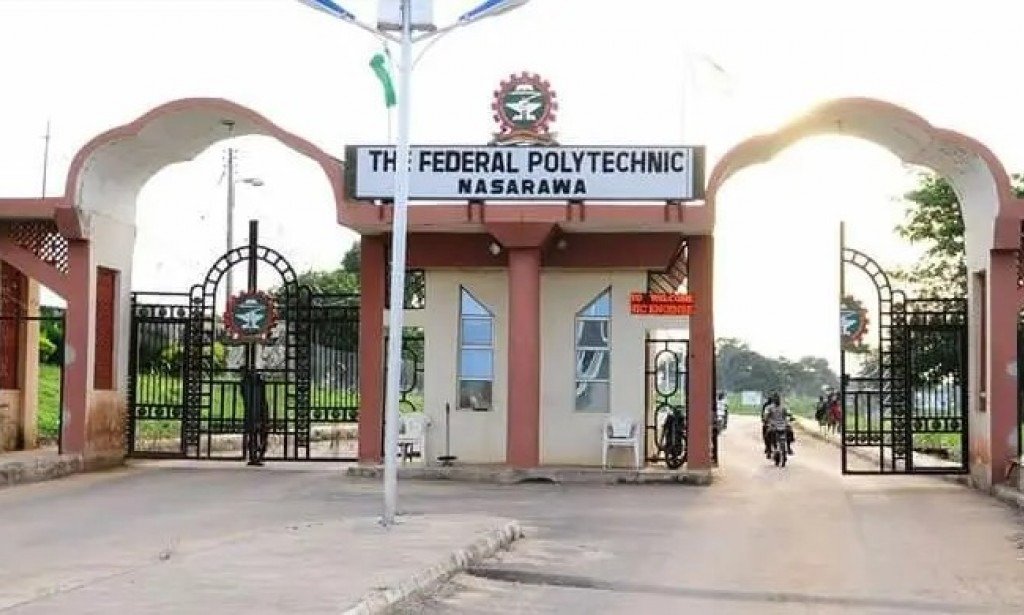
A picture of Federal Polytechnic, Nasarawa
PolytechnicUniversity

Polytechnic Vs. University. 8 reasons I prefer a Polytechnic

by Maryam A August 14, 2021
written by Maryam A

The polytechnic and the university are two types of post-secondary institutions. The difference between them is quite significant, and it all lies in the educational experience they offer.

Polytechnics are mainly technical institutes, but their programs can sometimes include arts or sciences. Many polytechnic students are in a work-study program where they complete coursework while they work for a company to gain real world experience.

This is because the courses taught at these institutes focus on applied learning and project-based experiences to prepare students for real jobs in industry. They have also been known to offer more job placement opportunities, with many companies coming to them directly for employees with specific skillsets and qualifications.

On the other hand, universities are more focused on pure academics than any other aspect of education.

‘Polytechnic vs. University’ has gone through rounds of debates.

While some people believe that university is more worthwhile to attend than a polytechnic, others are of the belief that polytechnic is rather more ideal.

This article explains 8 reasons why you should rather attend a polytechnic.

  1. It is easier to study in a polytechnic. The polytechnic study plan is divided into two programmes: National Diploma (ND) and Higher National Diploma (HND) programmes.

Each of the programmes is run for a period of two years.

The programmes are divided so that students can decide how they want to complete the programme.

This is in contrast to the university system that runs for four to five years.

Polytechnic graduates with a National Diploma (ND) certificate can also decide to start working before furthering their education.

Also, polytechnic graduates earn two awards, National Diploma (ND) and Higher National Diploma (HND) certificates.

The Higher National Diploma certificate is equivalent to a bachelor’s degree.

  1. Since the programmes are divided into two, polytechnic students have better opportunity to change their environment of study.

They can decide to obtain their Higher National Diploma certificate from another polytechnic or to even continue their programme in the university!

Polytechnic students can decide to take a break and relocate to another region to further their studies. Unfortunately, university students do not have the opportunity to do the same.

  1. Polytechnics usually teach students by deploying practical approaches.

Students are privileged to gain more practical experiences as compared to their counterparts in the university.

SIWES and IT organized by the institution also provide students with better practical exposure. For example, in the university, students usually observe their IT in their third year.

  1. Polytechnic graduates are able to start their own business after completing their programme because of the practical knowledge acquired.

With the experience gained from practical skills in the polytechnic, they can become successful entrepreneurs compared to university graduates.

  1. It is easier to gain admission to a polytechnic than a university.

We have scenarios of candidates applying countlessly to universities and spending years in this process without being able to gain admission.

This is quite different for polytechnics. Therefore, candidates can easily gain admission into polytechnics without much hassle.

6. Polytechnic school fees are more affordable than the university, especially private universities that charge exorbitant fees per session.

7. Polytechnics are ideal for candidates seeking admission to study engineering-related courses such as electrical and electronics engineering, civil engineering, mechanical engineering, and a host of others.

These courses are better taught in polytechnics than in universities.

8. Polytechnic graduates are all well versed in field works.

Their practical experience and knowledge gained through IT and SIWES make them more skilled in field works than university graduates.

The points highlighted above explain the reasons why you might want to enroll in a polytechnic rather than a university.

What are other reasons that prove that polytechnics are better than universities? Let us know in the comment section!

In conclusion, Polytechnics focus on teaching practical skills and developing employable skills. They offer short programmes that are designed to equip graduates with the necessary skills for the workplace.

Students who get their diploma from polytechnics are well-trained in a specific area or technology and can pursue a career in that field much more easily than those who graduate from universities.

Universities offer many diverse programmes to students, however, they do not offer any hands-on learning opportunities and depend heavily on lectures. This makes them less attractive for students who are changing careers or looking to switch into a new field of study.

August 14, 2021 0 comments
0 FacebookTwitterPinterestWhatsappTelegramCopy LinkEmail
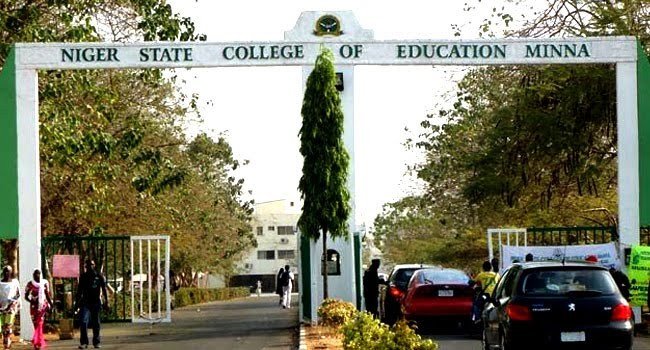
A picture of Niger State College of Education, Minna
college of EduPolytechnic

5 Significant Differences between a Polytechnic and College

by Maryam A August 14, 2021
written by Maryam A

College of Education in Nigeria: A Brief Overview

College of Education is an institution that students attend to study or obtain teaching training. The institutions were created largely to prepare students for careers as teachers and lecturers.

Nigeria has over 152 colleges of education: 21 federal, 54 state, and 82 private colleges of education.

Students go to this institution to study or obtain training on how to teach. For a better understanding, look at the table below.

Here are some of the approved colleges of education in Nigeria:

Federal College of Education                                                                                                          

  • Federal College of Education, Abeokuta
  • Adeyemi College of Education
  • Federal College of Education, Okene
  • Federal College of Education, Yola
  • Federal College of Education, Obudu
  • Federal College of Education, Pankshin

A picture of the Federal College of Education, Yola

Private Colleges of Education

  • St. Augustine College of Education
  • Havard Wilson College of Education
  • Corner Stone College of Education
  • Yewa Central College of Education
  • City College of Education, Mararaba

Polytechnic in Nigeria: A Brief Overview

A polytechnic is a higher education institution that specializes in scientific and technical areas.

Here are some of the approved polytechnics in Nigeria:

  • Akanu Ibiam Federal Polytechnic
  • Dorben Polytechnic
  • Abia State Polytechnic
  • Akwa Ibom State Polytechnic
  • Heritage Polytechnic
  • Citi Polytechnic
  • Federal Polytechnic, Oko
  • Benue State Polytechnic
  • Petroleum Training Institute, Effurun
  • Auchi Polytechnic

A picture of the Petroleum Training Institute, Effurun

5 Differences Between a Polytechnic and College of Education

Below are five (5) significant differences between a polytechnic and a college of education:

  1. In Nigeria, colleges of education are the third tier of higher education institutions.

On the other hand, Polytechnics rank more than colleges of education, which fall in the second tier.

  1. A college of education graduate is awarded an C.E, which means Nigeria Certificate in Education. However, polytechnic graduates are awarded National Diploma (ND) or Higher National Diploma (HND) certificates.
  2. The duration of study at a college of education is usually three years. Afterwards, a National Certificate in Education (N.C.E) is awarded.

National Diploma (ND) programmes in a polytechnic last for two years. In addition, students are also required to obtain a one year Industrial Training (IT). Higher National Diploma (HND) programmes last for another two years. This gives a total of five years.

  1. Some colleges of education have been upgraded to a University of Education. This means that these institutions award degrees to students.

Polytechnics can only award ND and HND certificates. Therefore, they cannot award degrees to their students.

  1. Candidates aspiring to become professional teachers enroll in colleges of education. On the other hand, polytechnic students are usually interested in technical fields such as mechanical engineering and quantity surveying.

A college of education graduate can apply for a teaching position in a secondary school. On the other hand, a polytechnic graduate can decide to work in a multinational company.


August 14, 2021 0 comments
0 FacebookTwitterPinterestWhatsappTelegramCopy LinkEmail
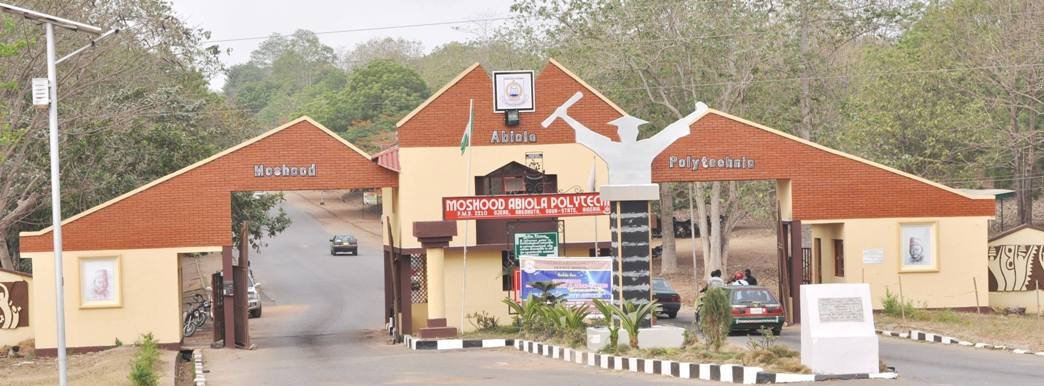
A picture of Moshood Abiola Polytechnic (MAPOLY)
Polytechnic

Top 7 Moshood Abiola Polytechnic Notable Alumni

by Maryam A August 1, 2021
written by Maryam A

A brief Overview of Moshood Abiola Polytechnic (MAPOLY)

Moshood Abiola Polytechnic, popularly known as MAPOLY, is a state-owned polytechnic founded in 1980.

Located in Abeokuta, Ogun State, it was established during the military administration of Harris Eghagha.

The institution is named after the late Nigerian businessman and politician Moshood Kashimawo Olawale Abiola. MAPOLY was initially established as Ogun State Polytechnic. In January 1979, the polytechnic admitted its first set of 220 students.

Oke-Egunya and Onikolobo were the two temporary campuses that were initially established. Between April 1985 and March 1988, the polytechnic relocated to the Ojere campus.

Moshood Abiola Polytechnic has five (5) schools: Science and Technology, Business & Management Studies, Engineering, Communication and Information Technology, and Environmental Studies.

The Centre for Part-Time and Diploma Programmes, on the other hand, is in charge of all part-time courses.

Logo of Moshood Abiola Polytechnic (MAPOLY)

Moshood Abiola Polytechnic has produced several notable personalities making marks in the world. Some of them include the following:

1. Odunlade AdekolaA picture of Odunlade Adekola

Odunlade Adekola is a Nigerian actor, producer, filmmaker and director born in 1978.

A native of Otun Ekiti, Ekiti State, he was raised in Abeokuta, Ogun State.

Odunlade Adekola’s acting career came into the limelight after playing a lead role in ‘Asiri Gomina Wa.’ He founded Odunlade Adekola Film Production (OAFP) and has starred in various Nollywood movies.

He bagged the best actor of the year award in the 2014 Africa Movie Academy Award (AMAA). In addition, Adekola’s photographs during filming are popularly used as memes across social media platforms.

Odunlade Adekola has starred in several blockbusters such as The Vendor, Sunday Dagboru, Oyenusi, Kurukuru, Emi Nire Kan, Taxi Driver: Oko Ashewo, Critical Evidence, Pate Pate, and a host of others.

Adekola received a diploma certificate from Moshood Abiola Polytechnic.

2. Funke AkindeleA picture of Funke Akindele

Funke Akindele, popularly known as Jenifa, is a renowned actress and producer.

She gained national recognition after playing the lead role in ‘Jenifa.’

Her TV show ‘Jenifa’s Diary,’ a spin-off from Jenifa, has also bagged an award. She won the 2016 Africa Magic Viewers’ Choice Awards as the Best Actress in a Comedy for her role in ‘Jenifa’s Diary.’

The 2019 movie ‘Your Excellency’ marked her directorial debut.

Akindele is the CEO of Scene One Film Production.

Funke Akindele obtained an Ordinary National Diploma (OND) in Mass Communication from MAPOLY.

3. Ibikunle AmosunA picture of Ibikunle Amosun

Ibikunle Amosun is a Nigerian politician who was the former governor of Ogun State.

Born in 1958, Amosun attended African Church Primary School and African Church Grammar School in Abeokuta, Ogun State.

He furthered his education by enrolling in a programme with Ogun State Polytechnic, now Moshood Abiola Polytechnic.

In 1983, Amosun graduated with a Higher National Diploma (HND).

An Associate Member of the Institute of Chartered Accountants of Nigeria (ICAN), Amosun kick-started his career by working as an audit trainee with Lanre Aremu & Co. (Chartered Accountants).

Ibikunle Amosun also bagged a Master of Arts in International Finance from the University of Westminster in London, United Kingdom.

Amosun has gained national and international recognition due to his outstanding achievements. He bagged the Best Security Conscious State Governor in West Africa award by Security Watch Africa in Accra, Ghana, in October 2012.

He was also awarded as the Commander of the Order of the Niger (C.O.N.) National Award by the then President of the Federal Republic of Nigeria, President Goodluck Ebele Jonathan, in September 2014.

4. Dayo AmusaA picture of Dayo Amusa

Dayo Amusa is a multi-award-winning actress and singer.

Born in Lagos, Nigeria, Dayo attended Mayflower School, Ikene.

Before launching her career in acting, she bagged a degree in Food Science and Technology at Moshood Abiola Polytechnic.

Dayo Amusa has starred in several Yoruba and English movies.

She has bagged several awards, such as the 2013 BON Awards for Best Kiss in a Movie and 2017 Pink Awards for Nollywood Female Face of The Year.

Dayo Amusa is not just a talented and award-winning actress. She is also a skilled singer.

She has released several singles, including Blow My Mind, Ayemi Remix ft. Oritsefemi, Mama’s Love, and so much more.

5. Zlatan

A photo of the Nigerian singer, Zlatan

Omoniyi Temidayo Rapahel, known by the stage name, Zlatan, is an award-winning singer, musician, and songwriter. He is also the founder and CEO of a popular record label, Zanku record.

Zlatan won the One Mic talent show, which was held in Abeokuta, Ogun State.

He released a hit single, ‘Zanku,’ which became a famous dance routine in the African continent.

Born and raised in Ilorin, Kwara State, Zlatan attended Moshood Abiola Polytechnic and graduated with a National Diploma (ND) in Business Administration in 2011.

Zlatan has worked with prominent Nigerian artists, including Burna Boy, Naira Marley, and Davido.

In addition, he signed an endorsement deal with Coca-Cola in 2019.

6. Adewale Ayuba

A picture of Ayuba

Adewale Ayuba, popularly called Ayuba, is a renowned fuji musician born in Ogun State in the year 1966.

Growing up as a child singer, Ayuba sang at local musical competitions in Ikenne.

He decided to pursue a career in music after completing his secondary school education.

Ayuba gained admission at Ogun State Polytechnic (now Moshood Abiola Polytechnic) to study Architecture. However, he was more focused on his musical career.

At the age of seventeen, Ayuba released his first album titled ‘Ibere (Beginning).’

The multi-award-winning singer has released several notable albums.

Some of them include Mr Johnson Play For Me. Bonsue Knockout, Move Up, Turn Me On, Fuji Time, Fuji Satisfaction, Ariya, and so much more.

He has been crowned as the King of Bonsue Fuji.

7. Kayode Akintemi

A photo of Kayode Akintemi

Kayode Akintemi is a renowned broadcast journalist, ICT consultant, and TV presenter.

Born in 1965, he has worked with Channels TV as the General Manager.

He has also worked as the ICT and Project Manager Consultant to London Borough of Hillingdon.

He became the Editor-In-Chief and Managing Director of News Channel in 2016.

In addition, he is the Managing Director of Ignite Media.

He has formerly hosted ‘Sunrise Saturday’ on Channels TV and ‘Wake Up Africa’ on 94.3 FM.

Kayode graduated from Ogun State Polytechnic, now Moshood Abiola Polytechnic, with a Higher National Diploma in Mass Communication with a specialization in Broadcast Journalism.

August 1, 2021 0 comments
0 FacebookTwitterPinterestWhatsappTelegramCopy LinkEmail
Newer Posts
Older Posts
  • college of Edu
  • Education
  • MBA
  • Other Institutions
  • Polytechnic
  • Scholarship
  • University

IMPORTANT LINKS

  • About Us
  • Contact Us
  • Privacy Policy
  • Disclaimer
  • Terms of Use
Footer Logo
  • About Us
  • Contact Us
  • Privacy Policy
  • Disclaimer
  • Terms of Use

@2026 - All Right Reserved.


Back To Top
School Reviews by Real Students.
  • Home
  • University
  • Polytechnic
  • college of Edu
  • Other Institutions
    • Scholarship
    • MBA
  • Privacy Policy
  • About Us
  • Disclaimer
  • Contact Us