School Reviews by Real Students.
  • Home
  • University
    • Federal University
    • State University
    • Private University
  • Polytechnic
    • State Polytechnic
    • Federal Polytechnic
  • college of Edu
  • Other Institutions
    • Scholarship
    • Business
    • MBA
  • Privacy Policy
  • About Us
  • Contact Us
Home » Polytechnic » Page 5
Category:

Polytechnic

Reviews of all Nigerian polytechnics
A picture showing the text 'JAMB Admission Status,' along with the JAMB logo.
PolytechnicUniversity

All types of Admission Status in Nigerian Institution and meanings

by Maryam A October 23, 2021
written by Maryam A

Admission Status: Meaning

Admission Status can be simply defined as the stage at which each prospective student’s application is being reviewed by admissions officers.

The outcome of the review will determine if a prospective student will gain admission into the institution or not.

Candidates often worry about their admission status because it will determine if they can study in their institution of choice.

For example, a candidate whose admission status shows ‘Admitted’ has been chosen by the institution to enroll for their course of study.

On the other hand, an admission status that shows ‘Not Admitted’ may mean that the candidate was not selected by the institution.

What are the Admission Statuses in JAMB and their Meaning?

A picture showing how to 'Check Your JAMB CAPS Admission Status'

CAPS ‘Not Admitted’

This is a notification informing you that no school has yet accepted your application. Therefore, the space for institutions and courses will most likely be empty or blank.

It does not imply that you will not be admitted. It simply indicates that no school has yet to offer admission.

If your proposed institutions haven’t already done so, wait for them to undertake post-UTME or entrance screening.

If they’ve already done so, they’ll normally give lists to JAMB to publish on students’ pages on a regular basis.

As a result, you’ll be checking your page periodically to see when it’s your turn.

CAPS ‘Admission in Progress’

The Admission in Progress (AIP) status indicates that JAMB has received your application for admission, but they will need to examine certain of the institution’s requirements to ensure that they are in compliance with the standards.

You should be pleased because it is the start of your path towards gaining admission. If you receive this notification, it is almost guaranteed that you will be offered admission.

JAMB will soon complete the process. Check your status on a frequent basis so you know when it will change.

CAPS ‘You’ve been Recommended for Admission’

This notification serves as confirmation that JAMB has received your name on the list, and you may rest assured that you will be admitted.

Your institution of choice has offered you admission, but JAMB must also approve it.

If you don’t meet up with your initial proposed course at this point, JAMB may decide to change your course.

Recheck your message until it changes to a joyful message.

CAPS ‘Admission is Approved’

You’ve been waiting for this joyful message and it is finally here! There’s no two way about this. It shows that you’ve been granted admission into your institution of choice.

Even if this notification does not specify which course or school is being offered, you can be confident that you have been accepted. Other information may take a few days to appear.

Keep an eye out for notifications indicating which school and which programme you’ve been offered. Simply review your profile from time to time.

CAPS ‘Accept or Reject Admission’

JAMB wants to make sure you wish to accept or reject the admission this time.

This is a particularly delicate period. JAMB does not want to allow you admission, and you subsequently lose interest in it.

This will prevent a student who wants to get admitted from doing so.

As a result, JAMB requests that you affirm that you wish to attend the school and do the course.

Don’t make light of this situation.

If you do not accept the offer, JAMB may revoke your admission.

Unless you accept the offer, you won’t be able to print the JAMB admission letter. So accept the offer if you’re comfortable with it, or decline it to make room for another student.

What Should I Do Next?

If you agree, print your JAMB admission letter and original JAMB results and wait for your school to submit your list to the school’s portal or contact you for documentation.

If you turn down the offer, you’ll have to wait and recheck your status to see if another institution will accept you.

What is JAMB CAPS?

A picture showing how to check one's admission status on the JAMB portal.

The JAMB Central Admission Processing System (CAPS) is an admissions processing system designed to ensure quality control, transparency, and credibility throughout the admissions process.

In the JAMB portal, JAMB CAPS provides for a “market place” where universities can “request for students in Nigeria who score their cut-off points.”

In addition, you have the option to accept or reject an admission offer received through the JAMB CAPS portal.

What are the Admission Statuses in WAEC, and their Meaning?

Interpretation of the WAEC grading system (by Percentage)

A1 (75% – 100%): Excellent

B2 (70% – 74%): Very Good

B3 (65% – 69%): Good

C4 (60% – 64%): Credit

C5 (55% – 59%): Credit

C6 (50% – 54%): Credit

D7 (45% – 49%): Pass

E8 (40% – 45%): Pass

F9 (0% – 44%): Failure

What are the admission statuses in Post UTME and What do they Mean?

Almost every Nigerian higher institution now has its own website.

The majority of these schools make an announcement when the admission list is released and post the names of accepted students on their websites.

Know the official website of your preferred school and keep an eye on it to see if any admissions announcements have been issued.


Candidates can check if they have been offered admission to any school in a variety of methods:

Notification through email

Several institutions require applicants to submit their email addresses as part of the admissions process.

Candidates are also notified of their acceptance via this media.

However, the terrible reality is that many applicants rarely check their email.

If you’re looking for a job, it’s a good idea to check your email address on a frequent basis in case your school decides to send admission notices via email.

Notification through SMS

During the Post-UTME or entrance registration process, most schools will want you to submit your active phone number.

In addition, many of these institutions will send a text message to the phone number you provided when you applied for admission to notify you that you have been accepted to the school.

As a result, it is recommended that candidates submit their current phone numbers when applying for admission.

Matriculation List of the Joint Admissions and Matriculation Board (JAMB)

JAMB just recently added this. Candidates can check the JAMB Matriculation List portal to see if they have been offered admission and if their admission has been verified by JAMB.

JAMB CAPS

Prospective applicants seeking admission to various tertiary institutions can use the JAMB Central Admission Processing System (CAPS) to track their admission status and find out when they have been given admission by any institution.

School Portal

The majority of Nigerian tertiary institutions make an announcement when the admission list is released and post the names of accepted students on their websites.

Know the official website of your preferred school and keep an eye on it to see if any admissions announcements have been issued.

 

October 23, 2021 0 comments
0 FacebookTwitterPinterestWhatsappTelegramCopy LinkEmail
Logo of the Academic Staff Union of Polytechnics (ASUP)
Federal PolytechnicPolytechnicState Polytechnic

ASUP: Polytechnics Under ASUP, History of ASUP, and More

by Maryam A September 7, 2021
written by Maryam A

What is ASUP and Why was it Established? 

Academic Staff Union of Polytechnics (ASUP) was founded to fulfill the following objectives:

  • To bring together all academic staff from Nigeria’s polytechnics, monotechnics, and
  • To encourage its members to take an active role in the advancement of Nigeria’s technology, education and commerce.
  • To advance, promote, and demand that its members be provided with adequate working circumstances.
  • To pursue additional goals that are legal and do not conflict with the spirit of Nigerian trade unionism.
  • To work with the Federal and State governments to establish a culture of good governance in order to achieve the goals of Nigerian Polytechnic/Monotechnic education.
  • To enhance and encourage its members’ education and training.
  • Collaborating with other organizations and unions that have similar goals.
  • To achieve and maintain a high level of academic achievement as well as professional and technological competence.
  • To provide beneficial service(s) to its members.

The logo of ASUP

History of ASUP Strikes in Recent Years

In November 2017, the Academic Staff Union of Polytechnics (ASUP) announced that they would commence ‘a total and comprehensive indefinite’ strike. Their decision was reached due to the failure of the federal government to meet the outstanding agreement.

ASUP, however, suspended the strike fifteen days later. This is because the federal government agreed to put the recommendations of the 2014 NEEDS assessment into action.

The agreement stressed the importance of increased funding for polytechnics.

On the 12th of December, 2018, ASUP began a nationwide strike as they joined university lecturers who had been on strike for more than a month.

The Academic Staff Union of Polytechnic’s president revealed that the federal government did not meet the polytechnic lecturers’ demands.

The president announced that the strike would be ‘total and indefinite.’

In June 2021, the Academic Staff Union of Polytechnics (ASUP) declared a strike unless the federal government complies with its demands.

In a nine-point demand, the body sought, among other things, the adoption of a new remuneration plan, the revitalization of polytechnics, the establishment of a national commission for polytechnics, the implementation of a new national minimum wage, and the payment of arrears.

After that, ASUP suspended its sixty-five (65) days industrial strike.

This followed an agreement that was reached between the federal government and the union.

The National Publicity Secretary of ASUP, Mr. Abdullahi Yalwa, said regarding the suspension:

“The suspension is for a period of three months to enable the government complete the execution of the items contained in the Memorandum of Action signed with the Union from 27th April, 2021.”

The union expects that the suspension of the strike would create an enabling climate for the government to complete other parts of the memorandum.

Has ASUP Helped in Improving the Educations Standards?

ASUP has helped in improving the education standards in several ways. ASUP seeks for the revitalization of polytechnics, the implementation of a new minimum wage, the adoption of a new remuneration plan, and a host of others.

A picture of ASUP members having a meeting.

List of Polytechnics Under ASUP

The following are the polytechnics under the Academic Staff Union of Polytechnics (ASUP):

Federal Polytechnic, Bida

Federal Polytechnic Ado Ekiti

Federal Polytechnic Offa

Federal Polytechnic Nasarawa

Federal Polytechnic Bauchi

Akanu Ibiam Federal Polytechnic Unwana

Federal Polytechnic Ede

Federal Polytechnic Oko

Federal Polytechnic Nekede

Federal Polytechnic Idah

Auchi Polytechnic

Kaduna Polytechnic, Kaduna

Federal Polytechnic Bali

Federal Polytechnic Ilaro

Federal Polytechnic, Daura

Federal Polytechnic Ekowe

Delta State Polytechnic, Ogwashikwu

Rivers State Polytechnic, Bori

Federal Polytechnic Damaturu

Yaba College of Technology

Federal Polytechnic of Oil and Gas Bonny

Federal Polytechnic Kaltungo

Federal Polytechnic Ile-Oluji

Federal Polytechnic Mubi

Federal Polytechnic Kaura Namoda

National Institute of Construction Technology Uromi

Portharcourt City Polytechnic, Portharcourt

Airforce Institute of Technology (AFIT)

Waziri Umaru Federal Polytechnic

Petroleum Training Institute Effurun

Nigerian Army Institute of Technology and Environmental Science (NAITES)

Hussaini Adamu Federal Polytechnic

Federal Polytechnic Ukana

Shehu Idris College of Health Science Makarfi

Bauchi State College of Agriculture, Bauchi

September 7, 2021 0 comments
0 FacebookTwitterPinterestWhatsappTelegramCopy LinkEmail
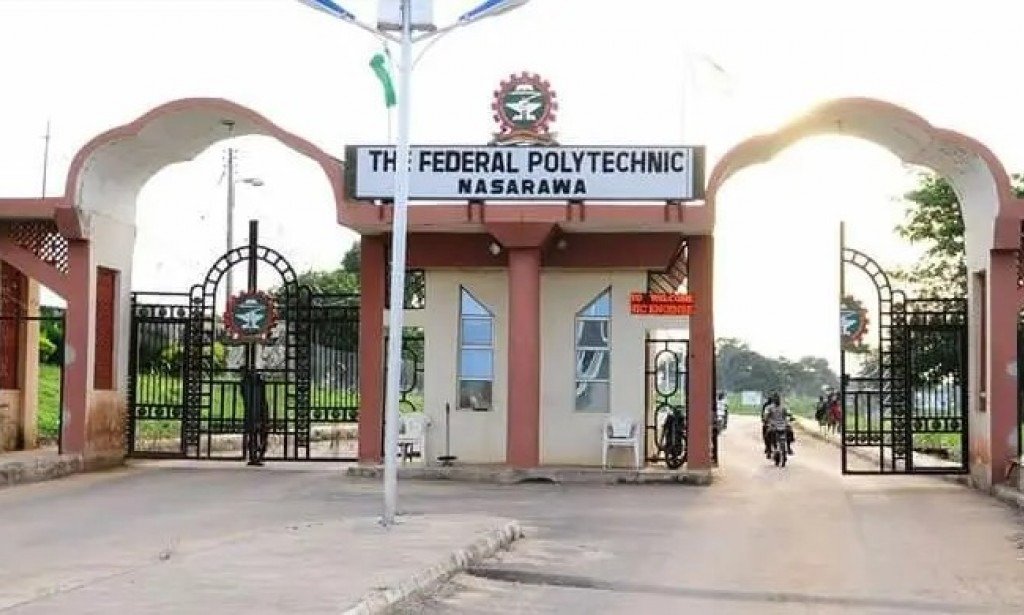
A picture of Federal Polytechnic, Nasarawa
PolytechnicUniversity

Polytechnic Vs. University. 8 reasons I prefer a Polytechnic

by Maryam A August 14, 2021
written by Maryam A

The polytechnic and the university are two types of post-secondary institutions. The difference between them is quite significant, and it all lies in the educational experience they offer.

Polytechnics are mainly technical institutes, but their programs can sometimes include arts or sciences. Many polytechnic students are in a work-study program where they complete coursework while they work for a company to gain real world experience.

This is because the courses taught at these institutes focus on applied learning and project-based experiences to prepare students for real jobs in industry. They have also been known to offer more job placement opportunities, with many companies coming to them directly for employees with specific skillsets and qualifications.

On the other hand, universities are more focused on pure academics than any other aspect of education.

‘Polytechnic vs. University’ has gone through rounds of debates.

While some people believe that university is more worthwhile to attend than a polytechnic, others are of the belief that polytechnic is rather more ideal.

This article explains 8 reasons why you should rather attend a polytechnic.

  1. It is easier to study in a polytechnic. The polytechnic study plan is divided into two programmes: National Diploma (ND) and Higher National Diploma (HND) programmes.

Each of the programmes is run for a period of two years.

The programmes are divided so that students can decide how they want to complete the programme.

This is in contrast to the university system that runs for four to five years.

Polytechnic graduates with a National Diploma (ND) certificate can also decide to start working before furthering their education.

Also, polytechnic graduates earn two awards, National Diploma (ND) and Higher National Diploma (HND) certificates.

The Higher National Diploma certificate is equivalent to a bachelor’s degree.

  1. Since the programmes are divided into two, polytechnic students have better opportunity to change their environment of study.

They can decide to obtain their Higher National Diploma certificate from another polytechnic or to even continue their programme in the university!

Polytechnic students can decide to take a break and relocate to another region to further their studies. Unfortunately, university students do not have the opportunity to do the same.

  1. Polytechnics usually teach students by deploying practical approaches.

Students are privileged to gain more practical experiences as compared to their counterparts in the university.

SIWES and IT organized by the institution also provide students with better practical exposure. For example, in the university, students usually observe their IT in their third year.

  1. Polytechnic graduates are able to start their own business after completing their programme because of the practical knowledge acquired.

With the experience gained from practical skills in the polytechnic, they can become successful entrepreneurs compared to university graduates.

  1. It is easier to gain admission to a polytechnic than a university.

We have scenarios of candidates applying countlessly to universities and spending years in this process without being able to gain admission.

This is quite different for polytechnics. Therefore, candidates can easily gain admission into polytechnics without much hassle.

6. Polytechnic school fees are more affordable than the university, especially private universities that charge exorbitant fees per session.

7. Polytechnics are ideal for candidates seeking admission to study engineering-related courses such as electrical and electronics engineering, civil engineering, mechanical engineering, and a host of others.

These courses are better taught in polytechnics than in universities.

8. Polytechnic graduates are all well versed in field works.

Their practical experience and knowledge gained through IT and SIWES make them more skilled in field works than university graduates.

The points highlighted above explain the reasons why you might want to enroll in a polytechnic rather than a university.

What are other reasons that prove that polytechnics are better than universities? Let us know in the comment section!

In conclusion, Polytechnics focus on teaching practical skills and developing employable skills. They offer short programmes that are designed to equip graduates with the necessary skills for the workplace.

Students who get their diploma from polytechnics are well-trained in a specific area or technology and can pursue a career in that field much more easily than those who graduate from universities.

Universities offer many diverse programmes to students, however, they do not offer any hands-on learning opportunities and depend heavily on lectures. This makes them less attractive for students who are changing careers or looking to switch into a new field of study.

August 14, 2021 0 comments
0 FacebookTwitterPinterestWhatsappTelegramCopy LinkEmail
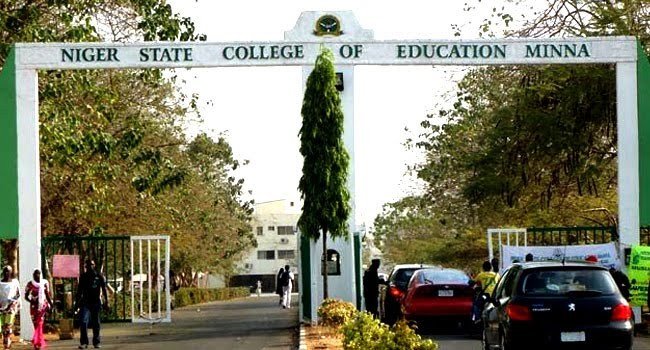
A picture of Niger State College of Education, Minna
college of EduPolytechnic

5 Significant Differences between a Polytechnic and College

by Maryam A August 14, 2021
written by Maryam A

College of Education in Nigeria: A Brief Overview

College of Education is an institution that students attend to study or obtain teaching training. The institutions were created largely to prepare students for careers as teachers and lecturers.

Nigeria has over 152 colleges of education: 21 federal, 54 state, and 82 private colleges of education.

Students go to this institution to study or obtain training on how to teach. For a better understanding, look at the table below.

Here are some of the approved colleges of education in Nigeria:

Federal College of Education                                                                                                          

  • Federal College of Education, Abeokuta
  • Adeyemi College of Education
  • Federal College of Education, Okene
  • Federal College of Education, Yola
  • Federal College of Education, Obudu
  • Federal College of Education, Pankshin

A picture of the Federal College of Education, Yola

Private Colleges of Education

  • St. Augustine College of Education
  • Havard Wilson College of Education
  • Corner Stone College of Education
  • Yewa Central College of Education
  • City College of Education, Mararaba

Polytechnic in Nigeria: A Brief Overview

A polytechnic is a higher education institution that specializes in scientific and technical areas.

Here are some of the approved polytechnics in Nigeria:

  • Akanu Ibiam Federal Polytechnic
  • Dorben Polytechnic
  • Abia State Polytechnic
  • Akwa Ibom State Polytechnic
  • Heritage Polytechnic
  • Citi Polytechnic
  • Federal Polytechnic, Oko
  • Benue State Polytechnic
  • Petroleum Training Institute, Effurun
  • Auchi Polytechnic

A picture of the Petroleum Training Institute, Effurun

5 Differences Between a Polytechnic and College of Education

Below are five (5) significant differences between a polytechnic and a college of education:

  1. In Nigeria, colleges of education are the third tier of higher education institutions.

On the other hand, Polytechnics rank more than colleges of education, which fall in the second tier.

  1. A college of education graduate is awarded an C.E, which means Nigeria Certificate in Education. However, polytechnic graduates are awarded National Diploma (ND) or Higher National Diploma (HND) certificates.
  2. The duration of study at a college of education is usually three years. Afterwards, a National Certificate in Education (N.C.E) is awarded.

National Diploma (ND) programmes in a polytechnic last for two years. In addition, students are also required to obtain a one year Industrial Training (IT). Higher National Diploma (HND) programmes last for another two years. This gives a total of five years.

  1. Some colleges of education have been upgraded to a University of Education. This means that these institutions award degrees to students.

Polytechnics can only award ND and HND certificates. Therefore, they cannot award degrees to their students.

  1. Candidates aspiring to become professional teachers enroll in colleges of education. On the other hand, polytechnic students are usually interested in technical fields such as mechanical engineering and quantity surveying.

A college of education graduate can apply for a teaching position in a secondary school. On the other hand, a polytechnic graduate can decide to work in a multinational company.


August 14, 2021 0 comments
0 FacebookTwitterPinterestWhatsappTelegramCopy LinkEmail
A picture of an offshore platform
Federal PolytechnicPolytechnicState Polytechnic

Top 5 Polytechnics for Petroleum Engineering

by Maryam A August 1, 2021
written by Maryam A

Petroleum engineering deals with activities that are associated with the production of hydrocarbons.

Crude oil or natural gas are examples of hydrocarbons.

Petroleum engineering is an area of engineering concerned with the processes that enable the development and exploitation of crude oil and natural gas fields and the technical study, computer modeling, and forecasting of future production performance.

Drilling, producing, processing, and transporting gaseous and liquid hydrocarbon products and the related economic and regulatory considerations are all concerns of the petroleum engineer, whose goal is to extract gaseous and liquid hydrocarbon products from the earth.

Here are the top five (5) polytechnics that study petroleum engineering:

1. Petroleum Training Institute, Effurun

A picture of the Petroleum Training Institute, Effurun

Petroleum Training Institute (P.T.I.) is a federal government-owned institution founded in 1973. It was founded as a prerequisite for the Organization of Petroleum Exporting Countries (OPEC)’s membership with the aim of training indigenous middle-level manpower to meet the demands of the oil and gas industry in search of more labour force.

Petroleum Training Institute awards National Diploma (ND) and Higher National Diploma (ND) certificates and General Welding Certificates.

Some of the departments in Petroleum Training Institute, Effurun, include:

Electrical Engineering

Petroleum & Natural Gas Processing

Mechanical Engineering

Petroleum Engineering and Geosciences

Petroleum Marketing and Business Studies

2. Yaba College of Technology

A picture of Yaba College of Technology

Yaba College of Technology (YABATECH) is a government-owned polytechnic founded in 1947.

Located in Yaba, Lagos State, YABATECH is the first higher educational institution to establish a Centre for Entrepreneurship Development.

Yaba College of Technology offers Mineral and Petroleum Engineering.

3. Federal Polytechnic, Ado-Ekiti

A picture of Federal Polytechnic, Ado-Ekiti

Federal Polytechnic, Ado-Ekiti

Federal Polytechnic, Ado-Ekiti is a federal government owned and managed institution of higher learning situated in Ado-Ekiti, Ekiti State.

The polytechnic offers programmes such as mineral resources and engineering technology, civil engineering technology, mechanical engineering technology, and a host of others.

4. Kwara State Polytechnic

Logo of Kwara State Polytechnic, Ilorin

Kwara State Polytechnic is a state-funded and managed tertiary institution founded by the then Military Governor of Kwara State, Col. David Bamigboye, in 1973.

It is situated in the capital of Kwara State, Ilorin.

5. Federal Polytechnic of Oil and Gas, Bonny

Logo of the Federal Polytechnic of Oil & Gas, Bonny

Federal Polytechnic of Oil & Gas, Bonny, is a federal government-owned polytechnic situated in Rivers State. The polytechnic aims at becoming a top institution that creates skilled manpower to Nigeria and Africa’s oil and gas industry.

The National Board for Technical Education (NBTE) has officially accredited the Federal Polytechnic of Oil & Gas Bonny, Rivers State, as one of the recognized polytechnics in Nigeria.

O’ Level Requirements for Petroleum Engineering in Nigeria

Candidates wishing to study Petroleum Engineering in the polytechnic must obtain credit passes in the courses (listed below) at O’ Level (WAEC, NABTEB, NECO, GCE):

  • Mathematics
  • English Language
  • Physics
  • Chemistry
  • Another science course.

UTME Requirements for Petroleum Engineering in Nigeria

Candidates wishing to study Petroleum Engineering in the polytechnic should apply for these UTME subject combinations:

  • Mathematics
  • English Language
  • Chemistry
  • Physics


August 1, 2021 0 comments
0 FacebookTwitterPinterestWhatsappTelegramCopy LinkEmail
A picture of a person, working on the computer.
Federal PolytechnicPolytechnicPrivate University

Polytechnic Courses that Provides the Highest Salaries

by Maryam A August 1, 2021
written by Maryam A

The following are the top six polytechnic courses that provide the best salaries:

1. Architectural Technology

This discipline cut across building science and engineering, architecture, and a host of others. Architectural technologists, architectural engineers, architects, structural engineers, and more, works on developing a design and turning them into reality using technology.

By providing technical guidance and working with the construction design teams, architectural technicians turn concepts into reality.

Architectural technology is one of the highest-paying jobs in Nigeria. Architectural technicians can work for an establishment or decide to be self-employed.

Architectural technology is under the Faculty of Engineering, Environment and Technology.

To study this course in the polytechnic, candidates are required to meet the following JAMB UTME subject requirements:

Mathematics, English Language and any two of the following courses; Technical Drawing, Chemistry, and Physics.

O’ Level Requirements:

Mathematics, English Language, Physics and any two of the following subjects: Further Mathematics, Biology, History, Technical Drawing, Geography, Economics/Commerce, Chemistry, Business Method, Religious Knowledge.

architectural technology

2. Petroleum Engineering

Nigeria produces the largest oil and gas in Africa.

The country also ranks as the sixth largest producer of crude oil in the world.

As a result, the nation’s primary source of revenue is crude oil. For a country with a significant oil sector, demand for petroleum engineers will always be high.

Petroleum engineers are ‘hot cakes.’ They are not only one of the highest paid employees in the country; they also receive several allowances ranging from medical to house and car.

Petroleum engineering is a branch of engineering concerned with the processes that enable the development and exploitation of crude oil and natural gas fields, computer modeling, technical analysis, computer modeling, and forecasting future production performance.

Petroleum engineers assist in the discovery of oil and gas to meet the country’s energy needs. They devise and test ways for obtaining oil and gas from underground sources.

Petroleum engineers are also developing novel techniques for extracting oil and gas from older wells.

petroleum engineering

3. Computer Science/Computer Engineering

Computer science is mainly concerned with software troubleshooting.

Computer Scientists are meant to master a variety of programming languages, as well as how to interact with operating systems and databases.

Computer engineering is concerned with problem-solving and the creation of hardware and software interfaces.

Information Technology is fast becoming a major aspect of human life.

Computer Scientists and Computer Engineers are, therefore, in high demand.

The monthly salary of a computer scientist is around 198,000 naira.

4. Civil Engineering

A picture of a civil engineer's working equipments

Civil engineering is one of the most popular courses in Nigerian polytechnics that guarantee high pay after graduation.

Civil engineers design, construct and maintain the physical and natural environment.

They also construct public works such as sewage systems, bridges, and lots more.

Some of the polytechnics that offer civil engineering include Benue State Polytechnic, Ugbokolo; Akanu Ibiam State Polytechnic, Ikot-Osurua; Abia State Polytechnic, Aba; Akanu Ibiam Federal Polytechnic, Unwana, Afikpo; and so much more.

The monthly salary of a civil engineer ranges between 100,000 naira to 250,000 naira. .

5. Electrical and Electronics Engineering Technology

A picture of an electric curcuit.

Electrical engineering is a branch of engineering concerned with the study and design of electrical, electronic, and electromagnetism-based equipment, devices, and systems.

Design and construction of electrical, electronic devised computers and their component parts and the integration of components into complex systems are the emphases of this profession.

To study Electrical and Electronic Engineering Technology (under the faculty of Engineering, Environment and Technology) in the polytechnic, candidates must fulfill the following subject combination for JAMB UTME:

English Language and any three of the following subjects: Chemistry/Technical Drawing, Mathematics, Physics.

O’ Level requirements for candidates seeking admission into a polytechnic to study Electrical/Electronic Engineering include:

Mathematics, Chemistry, Physics, and any two of the following subjects: Technical Drawing, Metal Work, Biology/Agricultural Science, English Language, Basic Electronics/Basic Electricity, Economics/Commerce, Woodwork, Auto Mechanics, Geography, and Further Mathematics.

The monthly salary of an electrical and electronics engineer ranges between 148,000 naira to 499,000 naira.

6. Accounting

Accounting is one of the profitable courses offered in Nigerian polytechnics. Accountants record financial transactions and analyze and report them to organisations.

They provide a summary of an organisation’s financial transactions and operations over an accounting period.

Accountants are indeed in every industry. Naturally, this makes them high in demand.

Some of the polytechnics that offer accounting include Igbajo Polytechnic; Federal Polytehcnic Offa; Federal Polytechnic, Damaturu; Hussaini Adamu Federal Polytechnic, Kazaure; and a host of others.

The salaries of accountants range between 147,000 naira and 494,000 naira.

accounting


August 1, 2021 0 comments
0 FacebookTwitterPinterestWhatsappTelegramCopy LinkEmail
A computer scientist working
Federal PolytechnicPolytechnicState Polytechnic

Concise Guide to Polytechnic Computer Science Subjects List

by Maryam A August 1, 2021
written by Maryam A

Entry Requirements to Study Computer Science in a Polytechnic

Here are the course entry requirements to study Computer Science in a polytechnic:

  • A minimum of five credit passes in relevant subjects in SSCE/GCE ordinary level. The credit passes should be obtained at not more than two sittings.
  • Five credit passes in relevant subjects attained at the end of an NBTE-approved Preliminary National Diploma (Pre-ND) program delivered in a polytechnic or similar higher institution.
  • A pass in a trade plus four relevant academic courses on the National Technical Certificate (NTC) or National Business Certificate (NBC).
  • A qualifying score on the UTME exam, as determined by JAMB on an annual basis.
  • SSCE GCE O’ Level with a minimum of pass grades/ordinary passes or their equivalent in English Language and Mathematics, as well as three subjects from the following list: Further Mathematics, Biology/ Agricultural Science/Health Science, Food and Nutrition, Physics, Technical Drawing/ Fine Arts, Geography, General Metal Work, Food and Nutrition, General Metal Work, Basic Electricity, Statistics, General Woodwork, Economics, Economics, Religious Knowledge, and Clothing and Textile.

List of Computer Science Subjects or Courses in a Polytechnic

Human-Computer Interaction

Human-Computer Interaction (HCI) is a field that focuses on the interfaces between humans and computers and is focused on the design and usage of computer technology.

Human-Computer Interaction (HCI) researchers study how people interact with computers and develop technology that allows them to do so in new ways.

Data Science

Data Science is an interdisciplinary field that uses scientific methods, procedures, algorithms, and systems to extract information and insights from structured and unstructured data, as well as to apply that knowledge and actionable insights to a variety of application areas.

Natural Language Processing

Natural Language Processing is a branch of linguistics, computer science, and artificial intelligence concerned with computer-human interaction, particularly how to design computers to process and evaluate huge volumes of natural language data.

Software Engineering

A software engineer working

The application of engineering concepts to software development is known as software engineering. Its primary purpose is to create, improve, and maintain software.

When working on a program, software engineering considers engineering aspects such as the hardware and software environment.

Cyber Security

Cybersecurity refers to the safeguarding of internet-connected systems, including hardware, software, and data, from cyberthreats.

Individuals and businesses utilize the method to prevent illegal access to data centers and other digital systems.

Networking and Communication

The study, design, implementation, and use of local, wide-area, and mobile networks that connect computers are all part of networking and communication. The Internet is a network that allows practically all computers on the planet to communicate with one another.

Computer Graphics

Computer graphics is a branch of computer science that investigates ways of creating and modifying visual images digitally.

Although the phrase is most commonly associated with three-dimensional computer graphics, it also includes two-dimensional graphics and image processing.

Algorithms and Complexity

Algorithm complexity is a metric that examines the order of a given or algorithm’s count of operations as a function of the size of the input data.

To put it another way, complexity is a rough estimate of the number of steps required to complete an algorithm.

Computer Science

Computer science is the study of computers and computational systems.

Computer scientists create and analyze algorithms to solve programs and research computer hardware and software performance. A specialization in computer science makes a kind of a “jack of all trades” with the ability branch to any other aspect.

Information Systems

Information System is a collection of interconnected components that gather, store, and analyze data and provide information, knowledge, and digital products.

Interorganizational supply chains and electronic markets are run using information systems.

August 1, 2021 0 comments
0 FacebookTwitterPinterestWhatsappTelegramCopy LinkEmail
Logo of Hassan Usman Katsina Polytechnic
Federal PolytechnicPolytechnicState Polytechnic

Years of Study in a Nigerian Polytechnic for ND and HND

by Maryam A August 1, 2021
written by Maryam A

In Nigeria, applications are made into public and private polytechnics to bag Ordinary National Diploma (OND) and/or Higher National Diploma (HND).

Admissions are granted to candidates who fulfill the requirements as listed by a respective polytechnic.

The duration of programmes in polytechnic usually lasts for four years (Ordinary National Diploma and Higher National Diploma).

This is similar to a four-year Bachelor’s degree programme at the university.

What is the OND Program?

OND, popularly known as ND, refers to the Ordinary National Diploma.

After the two-year programme, the polytechnic awards students with degrees. A holder of a National Diploma can gain employment or further their education by enrolling for the Higher National Diploma (HND).

A holder of a National Diploma can also gain admission into a university. This can also be done through Direct Entry (DE) admission.

How to Get Admitted to an OND Program?

To gain admission into a polytechnic for an OND program, candidates must have sat for the JAMB UTME and taken part in the institution’s admission screening exercise or Post UTME.

Candidates who meet the polytechnic’s admission requirements and gains admission will proceed to National Diploma (ND) 1 in the polytechnic while studying their desired course as chosen when purchasing the JAMB form.

Candidates can also be admitted into the Ordinary National Diploma program by applying for the daily part-time programmes (DPP).

What differentiates DPP from full time is the difference in cost.

Candidates may also decide to apply for the regular part-time course, which usually runs for two years.

After completing the two-year Ordinary National Diploma (OND) programme at a given polytechnic, students will be awarded their ND certificates.

An ND certificate can be used to enroll in the university through JAMB Direct Entry (DE) admission.

These candidates will, however, continue from the 200 level. Students can also further their education in a polytechnic by enrolling for Higher National Diploma (HND).

Length of Time for OND

Ordinary National Diploma (OND) is usually a two years programme.

Under Which Condition can an HND or OND Program Last Longer or Shorter

OND or HND programmes cannot be run for less than the duration. However, it can last longer if a student has outstanding courses that must be passed. Such a student might have to spend an extra year to rewrite the examination.

A picture of Benue State Polytechnic

Benue State Polytechnic

What is the HND Program?

The Higher National Diploma (HND) is awarded to a polytechnic graduate after the completion of the National Diploma programme (2 years), Industrial Training (1 or 2 years), and Higher National Diploma programme (2 years).

Enrolling for a Higher National Diploma (HND) programme does not require sitting for JAMB UTME or purchasing the Direct Entry (DE) form.

Instead, the polytechnic would organize a screening or entrance test, depending on their individual requirements.

How to Get Admitted to an HND Program? 

To get admitted to a Higher National Diploma (HND) programme, candidates are required to meet the following criteria:

  1. Candidates should fulfill the O’ Level entry requirements for admission into National Diploma programmes.
  2. Candidates should have obtained a minimum of Lower Credit in National Diploma (ND).
  3. Candidates must have obtained one year post cognate National Diploma (ND) Industrial experience.

Kindly note that some polytechnics have their respective admission requirements into the HND programme.

Length of Time for HND

Higher National Diploma usually runs for a duration of two years.

August 1, 2021 0 comments
0 FacebookTwitterPinterestWhatsappTelegramCopy LinkEmail
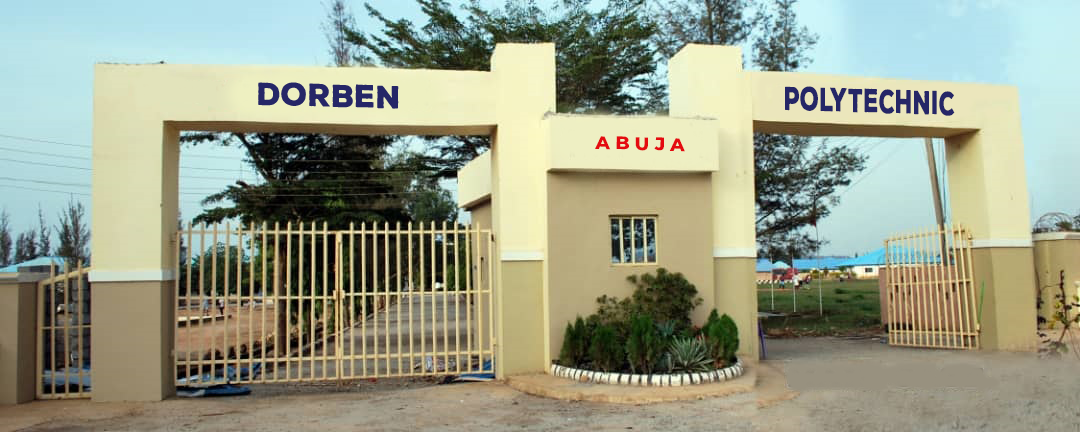
A picture of Dorben Polytechnic
PolytechnicUniversity

Polytechnics in Abuja [The complete Guide]

by Maryam A July 2, 2021
written by Maryam A

Polytechnics in Abuja Nigeria

Here is a list of polytechnics in Abuja:

Citi Polytechnic

A picture of Citi Polytechnic

Citi Polytechnic is a private-owned institution of higher learning situated in Abuja. The polytechnic delivers quality by deploying the best teaching equipment and recruiting highly experienced staff.

Dorben Polytechnic

Dorben Polytechnic, formerly known as Abuja School of Accountancy and Computer Studies, is a private institution.

The Nigerian Federal Ministry of Education and the National Board for Technical Education approved and accredited Dorben Polytechnic as one of the polytechnics in Nigeria.

The polytechnic aims at providing high quality academic studies for people intending to become professionals and technical experts in their chosen careers.

Federal Polytechnics in Abuja

No federal polytechnic is situated in Abuja.

Accredited Polytechnics in Abuja

The list below reveals accredited polytechnics in Abuja

Dorben Polytechnic

Citi Polytechnic

Universities and Polytechnics in Abuja

Universities and polytechnics situated in Abuja include:

University of Abuja, Gwagwalada

African University of Science & Technology, Abuja

Baze University

Bingham University, New Karu 

Logo of Bingham University

Veritas University, Abuja

Philomath University, Kuje, Abuja

Nile University of Nigeria, Abuja

List of Private Polytechnics in Abuja

Private polytechnics situated in Abuja include:

Citi Polytechnic

Dorben Polytechnic

Dorben Polytechnic Courses

Logo of Dorben Polytechnic

Some of the courses offered in Dorben Polytechnic include:

Business Administration and Management

Urban and Regional Planning

Mathematics and Statistics

Science Laboratory Technology

Mass Communication

Hospitality Management

Estate Management

Computer Engineering Technology

Dorben Polytechnic School Fees

The following is the school fees of freshers for the 2020/2021 academic session:

Accountancy: N76,000

Public Administration: N76,000

Hospitality Management: N76,000

Mass Communication: N76,000

Science Laboratory Technology: N76,000

Computer Science: N76,000

Electrical/Electronic Engineering: N76,000

Estate Management and Valuation: N76,000

Statistics: N76,000

Business Administration and Management: N76,000

Computer Engineering: N76,000

Office Technology and Management: N76,000

Urban and Regional Planning: N76,000

Part time students’ school fees is around N120,000.

Dorben Polytechnic Admission

To apply for National Diploma (ND) and Higher National Diploma (HND) programmes, visit the admission page: https://poly.dorben.edu.ng/admission/

Dorben Polytechnic Portal

To access Dorben Polytechnic’s portal, kindly click here: https://studentportal.dorben.org/

Federal Polytechnic Bwari Abuja

No federal polytechnic is situated in Bwari, Abuja.

Citi Polytechnic Abuja School Fees

For enquiries about the school fees charged at Citi Polytechnic, kindly visit the institution’s official website: https://citipoly.com.ng/

Private Polytechnic in Nigeria

Here are some of the private polytechnics in Nigeria:

Al-Hikma Polytechnic, Karu

Ajayi Polytechnic

Citi Polytechnic

Coastal Polytechnic, Apapa

Ashi Polytechnic

Crown Polytechnic, Ado-Ekiti

Dorben Polytechnic

Eastern Polytechnic

Grace Polytechnic, Surulere

Global Polytechnic, Akure

Ibadan City Polytechnic

Heritage Polytechnic

Kelac Christal Polytechnic

Interlink Polytechnic

Iwo City Polytechnic

Novelty Polytechnic, Kishi

Prime Polytechnic, Jida Bassa, Ajaokuta

Graceland Polytechnic, Offa

Tower Polytechnic, Ibadan

Wolex Polytechnic, Iwo

List of Federal Polytechnic in Nigeria and Their Courses

Here is a list of some of the federal polytechnics in Nigeria:

Akanu Ibiam Federal Polytechnic, Unwana

Federal Polytechnic, Bida

Federal Polytechnic, Mubi

Federal Polytechnic, Nasarawa

Federal Polytechnic, Nekede

Federal Polytechnic, Ayede, Oyo State

Yaba College of Technology

Federal Polytechnic, Uyep, Cross Rivers State

Federal Polytechnic, Munguno, Borno State

Federal Polytechnic Wannune, Benue State

Federal Polytechnic Ohodo, Enugu State

Federal Polytechnic N’yak, Shendam, Plateau State

Nigerian College of Aviation Technology, Zaria, Kaduna State

A photo of the Nigerian College of Aviation Technology

Nigerian Army Institute of Technology and Environmental Science, Makurdi

Hussaini Adamu Federal Polytechnic, Kazaure, Jigawa State

Waziri Umaru Federal Polytechnic, Birnin Kebbi

Kaduna Polytechnic, Kaduna

National Institute of Construction Technology, Uromi.

Some of the courses offered in these institutions include:

Surveying and Geo-Informatics

Science Laboratory Technology

Public Administration

Agricultural and Bio-Environmental Engineering/Technology

Urban and Regional Planning

Mechanical Engineering Technology

Banking and Finance

Business Administration and Management

Mass Communication


July 2, 2021 0 comments
0 FacebookTwitterPinterestWhatsappTelegramCopy LinkEmail
Logo of Ondo City Polytechnic
Polytechnic

Ondo City Polytechnic: Courses, School Fees, Cut Off Mark, and More

by Maryam A July 2, 2021
written by Maryam A

Ondo City Polytechnic is a privately owned institution of higher learning dedicated to developing visionary, tenacious, and courageous individuals. It is open to everyone, regardless of ethnicity, faith, gender, or state.

Technical and vocational skills, creativity, morality, honesty, and respect for all are reinforced at Ondo City Polytechnic. The institution was founded with a corporate affairs commission made up of professionals from several industries. In addition, a vast area of land purchased in Oboto-Ondo is currently being processed for legal documentation.

Ondo City Polytechnic School Fees

FACULTY OF HEALTH SCIENCE

Dental Nursing Science

ND 1: N90,000

HND 1: N90,000

Orthopedic & Plaster Technology

ND 1: N90,000

HND 1: N90,000

Health Information Management

ND 1: N90,000

HND 1: N90,000

Radiography Technology

ND 1: N90,000

HND 1: N90,000

Environmental Health Technology

ND 1: N90,000

HND 1: N90,000

Health Promotion and Education

ND 1: N90,000

HND 1: N90,000

FACULTY OF ART/HUMANITY

Public Administration

ND 1: N90,000

HND 1: N90,000

Mass Communication

ND 1: N90,000

HND 1: N90,000

FACULTY OF APPLIED SCIENCE

Computer Science

ND 1: N90,000

HND 1: N90,000

Science Laboratory Technology

ND 1: N90,000

HND 1: N90,000

Statistics

ND 1: N90,000

HND 1: N90,000

FACULTY OF MANAGEMENT SCIENCE

Accountancy

ND 1: N90,000

HND 1: N90,000

Banking and Finance

ND 1: N90,000

HND 1: N90,000

Business Administration

ND 1: N90,000

HND 1: N90,000

Marketing

ND 1: N90,000

HND 1: N90,000

FACULTY OF ENGINEERING

Mechanical Engineering

ND 1: N90,000

HND 1: N90,000

Computer Engineering

ND 1: N90,000

HND 1: N90,000

Electrical/Electronic Engineering

ND 1: N90,000

HND 1: N90,000

Civil Engineering Technology

ND 1: N90,000

HND 1: N90,000

FACULTY OF ENVIRONMENTAL DESIGN AND MANAGEMENT

Estate Management

ND 1: N90,000

HND 1: N90,000

Building Technology

ND 1: N90,000

HND 1: N90,000

Architecture

ND 1: N90,000

HND 1: N90,000

Quantity Survey

ND 1: N90,000

HND 1: N90,000

Students of Ondo City Polytechnic

Ondo City Polytechnic Cut Off Mark

Ondo City Polytechnic’s cut-off mark for the 2020/2021 academic session is 100. Therefore, candidates seeking into the institution must score a minimum of 100 in the 2020 UTME.

Is Ondo City Polytechnic Accredited?

Ondo City Polytechnic has been fully accredited by the National Board for Technical Education (NBTE).

Courses Offered in Ondo City Polytechnic

FACULTY OF HEALTH SCIENCE

  • Dental Nursing Science
  • Orthopedic & Plaster Technology
  • Health Information Management
  • Radiography Technology
  • Environmental Health Technology
  • Health Promotion and Education

FACULTY OF ARTS/HUMANITIES

  • Public Administration
  • Mass Communication
  • Criminology and Security Service
  • Theatre and Media Art

FACULTY OF APPLIED SCIENCE

  • Computer Science
  • Science Laboratory Technology
  • Statistics

FACULTY OF MANAGEMENT SCIENCE

  • Accountancy
  • Banking and Finance
  • Business Administration and Management
  • Marketing

FACULTY OF ENGINEERING SCIENCE

  • Computer Engineering Technology
  • Electrical/Electronic Engineering
  • Civil Engineering Technology

FACULTY OF ENVIRONMENTAL DESIGN AND MANAGEMENT

  • Estate Management
  • Building Technology
  • Architecture
  • Quantity Surveying

A picture of Ondo City Polytechnic

HND in Dental Nursing Ondo City Polytechnic

Candidates seeking admission into Ondo City Polytechnic for HND programmes should possess a minimum of five credit passes in relevant subjects (including English Language and Mathematics) at o’ level. This should be obtained at not more than two sittings. In addition, candidates should have obtained at least one year Post-National Diploma relevant industrial experience.

The Higher National Diploma (HND) programme lasts for two years.

Here’s how to apply for the HND form:

  • Candidates are required to pay seven thousand naira to Ondo City Polytechnic’s account. After forwarding the teller to the polytechnic’s contact, you will be given a scratch card pin to proceed with the application.
  • Ensure you enter the accurate information as details such as first name, email address, and surname cannot be modified after submission.

To apply online, click here.

Polytechnic in Ondo State

Federal Polytechnic

  • Federal Polytechnic, Ile-Oluji, Ondo State (FEDPOLEL)

State Polytechnic

  • Rufus Giwa Polytechnic, Owo, Ondo State (RUGIPO)

Private Polytechnics

  • Best Solution Polytechnic, Akure, Ondo State
  • The Global Polytechnic, Akure, Ondo State
  • Ondo City Polytechnic

Ondo State Polytechnic Courses

Some of the courses offered in Ondo State Polytechnic include:

  1. Architectural Technology
  2. Agricultural and Bio-Environmental Engineering Technology
  3. Arts and Design
  4. Business Administration & Management
  5. Banking and Finance
  6. Library and Information Science
  7. Urban & Regional Planning
  8. Animal Health and Production Technology
  9. Estate Management and Valuation
  10. Horticultural Technology
  11. Fisheries Technology
  12. Computer Science


July 2, 2021 0 comments
0 FacebookTwitterPinterestWhatsappTelegramCopy LinkEmail
Newer Posts
Older Posts
  • Business
  • college of Edu
  • Education
  • Featured
  • Federal Polytechnic
  • Federal University
  • FUTA
  • MBA
  • Other Institutions
  • Polytechnic
  • Private University
  • Scholarship
  • State Polytechnic
  • State University
  • University

IMPORTANT LINKS

  • About Us
  • Contact Us
  • Privacy Policy
Footer Logo
  • About Us
  • Contact Us
  • Privacy Policy

@2020 - All Right Reserved. Designed and Developed by Wapzola


Back To Top
School Reviews by Real Students.
  • Home
  • University
    • Federal University
    • State University
    • Private University
  • Polytechnic
    • State Polytechnic
    • Federal Polytechnic
  • college of Edu
  • Other Institutions
    • Scholarship
    • Business
    • MBA
  • Privacy Policy
  • About Us
  • Contact Us