School Reviews by Real Students.
  • Home
  • University
    • Federal University
    • State University
    • Private University
  • Polytechnic
    • State Polytechnic
    • Federal Polytechnic
  • college of Edu
  • Other Institutions
    • Scholarship
    • Business
    • MBA
  • Privacy Policy
  • About Us
  • Contact Us
Home » Federal University » Page 15
Category:

Federal University

All federal Universities in Nigeria
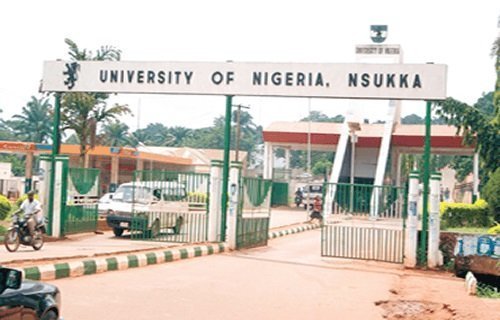
UNN GATE
Federal University

UNN’s New Postgraduate Student Orientation Program, 2020/2021

by ajibolaaina January 25, 2022
written by ajibolaaina

This is to inform all newly admitted postgraduate students for the 2020/2021 academic session that the School of Postgraduate Studies will host an orientation event for all newly admitted postgraduate students for the 2020/2021 academic session.

The following is the schedule for the orientation exercise:

ORIENTATION PROGRAMME FOR NEW POST-DOCTORAL STUDENTS AT UNN, 2020/2021

Date: February 23rd, 2022

Time: 9:00 a.m.

Below is a link to the virtual orientation;

When: Wednesday, February 23, 2022, 9:00 a.m. West Central Africa

Venue: (ZOOM)

Registration Link:

https://bit.ly/UNNPGORIENTATION2021

After registration, you will receive an email confirmation with details on how to join the meeting.

Concerning UNN

The University of Nigeria, abbreviated UNN, is a federal university in the Nigerian town of Nsukka, Enugu State. The University of Nigeria was founded in 1955 by Nnamdi Azikiwe and officially inaugurated on 7 October 1960. It comprises three campuses in Enugu State – Nsukka, Enugu, and Ituku-Ozalla – as well as an Aba campus in Abia State.
January 25, 2022 0 comments
0 FacebookTwitterPinterestWhatsappTelegramCopy LinkEmail
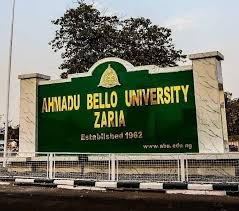
A picture of Ahmadu Bello University, Zaria
Federal UniversityState UniversityUniversity

7 Universities that Produce the Most Millionaires

by Maryam A November 9, 2021
written by Maryam A

The following universities have produced the most millionaires in Nigeria:

1. Ahmadu Bello University

Ahmadu Bello University has produced several prominent personalities who are multi-millionaires. In addition, it is popular for producing ministers, state governors, and leaders in the country.

Some of them include:

Atiku Abubakar: Former Vice President of the Federal Republic of Nigeria.

Aminu Safana: Doctor, Politician

Ayodele Awojobi: Professor and Scientist at the University of Lagos

Muhammed K. Abubakar: Former Minister, Academic.

Ibrahim Umar: Scientist and Former Vice Chancellor

Isa Marte Hussaini: Pharmacologist and Professor.

Ibrahim Hussaini Soko: Director General of Raw Materials in Nigeria

Ussif Rashid Sumaila: Economist

Shamsuddeen Usman: Former Minister of National Planning

Andrew Yakubu: Former Group MD, NNPC.

2. The University of Lagos

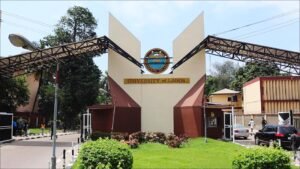
A picture of the University of Lagos

The popular tertiary dedicated to quality teaching, learning, research, and community service is the University of Lagos.

Through various programmes, they have produced leaders in a variety of disciplines in recent years.

They are prominently referred to as the University of First Choice and the Nation’s Pride, and they place a high value on the development and welfare of their staff and students at both the undergraduate and postgraduate levels.

Since its inception in 1962, the institution has played an important role in nation building by educating, researching, and providing community services to an overflowing youth population.

The University of Lagos has produced the following millionaires:

  • Linda Ikeja: Blogger, entrepreneur, and writer.
  • Toke Makinwa: Television host, radio personality, author, lifestyle entrepreneur, and vlogger.
  • Cobhams: Musician, songwriter, and producer.
  • Yemi Alade: Afropop singer, activist, actress, and songwriter.
  • MoChedda: Singer and rapper.
  • Wande Coal: Singer and songwriter.
  • Yemi Osinbanjo: The current Vice President of Nigeria, politician, and lawyer.
  • Mercy Aigbe: Actress, businesswoman, fashionista, and director.
  • Funke Akindele: Actress and producer.
  • Chidinma Ekile: Gospel singer and songwriter.
  • Chika Ike: Actress, producer, entrepreneur, and television personality.
  • Helen Paul: Comedienne, actress, and singer.
  • Teju Babyface: Talk show host, standup comedian, and writer.
  • Joke Silva: Actress and director.
  • Stella Damascus: Actress and singer.

3. Lagos State University

Lagos State University's building.

The enabling Law of Lagos State of Nigeria established Lagos State University, also known as LASU, in 1983 for the advancement of learning and the establishment of academic excellence.

Lagos State University, another addition to the university with the most celebrity graduates, is the third-highest producer of entertainers due to the sheer number of award-winning stars who have attended the school.

Some of these multi-talented stars who have become millionaires include:

  • Wizkid: Singer and songwriter.
  • Tara Fela Durotoye: Lawyer and beauty entrepreneur.
  • Liz da Silva: Actress and movie producer.
  • D’banj: Musician, rapper, singer, songwriter, television personality, entrepreneur, and lawyer.
  • Annie Idibia: Actress, presenter, and model.
  • Desmond Elliot: Actor, politician, and director.
  • Chioma Chukwuka: Actress, movie producer, and director.

4. The University of Ibadan

A picture of the University of Ibadan

The University of Ibadan, or UI as it is widely regarded, was founded in 1948 and is Nigeria’s premier university.

It was a College of the University of London in a special relationship scheme until 1962, when it became an undeniably autonomous University.

The University of Ibadan has promised notable and popular millionaires such as:

  • Muyiwa Ademola: Actor, director, and producer.
  • Wole Soyinka: Nobel Prize in Literature awardee, playwright, essayist, poet, and novelist.
  • Beautiful Nubia: Band leader, music composer, and songwriter.
  • Dr. Sid: Singer and songwriter.
  • Lepacious Bose: Comedienne.

5. The University of Nigeria, Nsukka

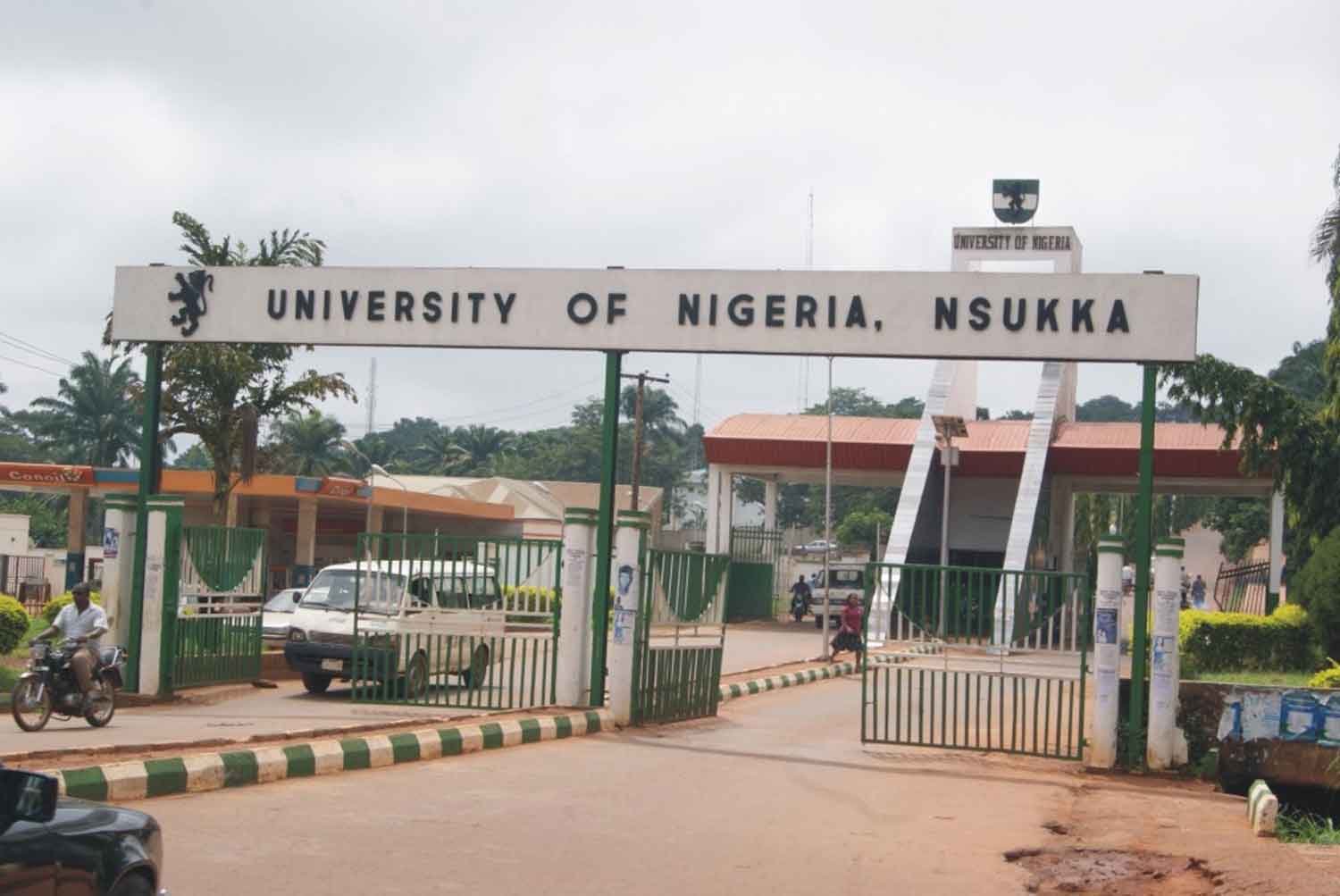
University of Nigeria's building

The University of Nigeria was Nigeria’s first undeniably indigenous and autonomous university, which was showcased in the American educational system.

It is Africa’s first land-grant university and one of Nigeria’s top five federal universities.

Notable and wealthy personalities from this institution include:

  • Late Dora Akunyili: Former Director General of the National Agency for Food and Drug Administration and Control (NAFDAC).
  • Charles Soludo: Economics professor, former CBN governor, and chairman of CBN’s board of directors.
  • Zack Orji: Actor.

6. Obafemi Awolowo University

A picture of Obafemi Awolowo University

Obafemi Awolowo University

Obafemi Awolowo University, Ile-Ife is one of three universities founded in Nigeria between 1961 and 1962.

Obafemi Awolowo University (OAU) has produced notable millionaires, including the following

  • 2Face Idibia: Singer, musician, record producer, songwriter, and entrepreneur.
  • Pastor E.A. Adeboye: Pastor, Redeemed Christian Church of God’s General Overseer.
  • Dele Momodu: Journalist, CEO and publisher of Ovation International, and businessman.
  • Lai Mohammed: The current Minister of Information and Culture of Nigeria. A lawyer and former All Progressives Congress National Publicity Secretary.
  • Yemi Shodimu: Television presenter, dramatist, filmmaker, and director.
  • Chinko Ekun: Rapper and songwriter.
  • Seun Osewa: Founder of Nairaland.

7. The University of Port Harcourt

A picture of the University of Port Harcourt

The University of Port Harcourt is a Nigerian university located in the city of Port Harcourt.

It was founded in 1975 as University College, Port Harcourt, and was elevated to the status of university in 1977.

Notable personalities from the University of Port Harcourt include the following:

  • Agbani Darego: Model and beauty queen.
  • Goodluck Jonathan: Former President of the Federal Republic of Nigeria.
  • Rita Dominic: Award-winning actress, model, investor, television personality, and producer.
  • Monalisa Chinda: Actress, television personality, film producer, and media personality.
  • Timi Dakolo: Singer, songwriter, and music producer
  • Yul Edochie: Award-winning actor
November 9, 2021 0 comments
0 FacebookTwitterPinterestWhatsappTelegramCopy LinkEmail
futa geology department
FUTA

A Futa Student explains the Geology Department In Futa

by ajibolaaina November 3, 2021
written by ajibolaaina

The geology department in Futa ( Federal University of Technology, Akure), referred to as Applied Geology (AGY) has been placed under the School of Earth and Mineral Science (SEMS) where you can find other departments that are closely related to geology. The department was created in 1982 and placed under the above school.

What Is Geology About?

Geology, also known as ‘earth science’ or ‘geoscience’ is the study of the earth’s structure, its evolution and dynamics. It is also the study of the earth’s natural mineral and energy resources. Geology uses the rock records to unearth the history of the earth and also to know the processes and stages the earth has gone through in its 4500 million years of life.

Geology is important for solving societal challenges, helping to proffer safe solutions to problems that we are faced with in our environment.

Roles of Geology In Our Society

  • Predicts the behavioural pattern of the earth’s system as well as the universe.
  • Discover adequate supplies of natural resources like groundwater, petroleum and metals.
  • Geology helps In the agricultural sector by maintaining productivity and conserving soils.
  • Develops natural resources in an eco-friendly way.
  • Helps to reduce the damage caused by natural disasters such as volcanic eruptions, hurricanes, tornadoes and the likes by predicting their occurrences.
  • Helps to maintain the quality of the water supply.

What Is Unique About Studying Applied Geology In Futa?

As a student studying geology in Futa, you are exposed to various educational and informative experiences. Students of Applied Geology in the Federal University Of Technology, Akure, are opportune to visit the geology laboratory for practical studies. Theoretical lectures are presented in the form of practicals for an easier understanding of all that they have been taught. After practical displays, students are encouraged to perform practicals on their own by putting them into groups or pairing them up to see how well they understand the topic being treated.

The students in this department are also sent out into the real world, for six months in the fourth year of their study, where the knowledge of geology is applied to solve daily life challenges. They get a glimpse of what it is to be a geologist outside of the four walls of the classroom. 

The school takes the student outdoors to sites for outdoor learning as well. This is termed ‘field trip’. During these field trips, students are allowed to question experts in the field. These trips are usually taken in the 2nd and 3rd year of their study in Futa.

Futa has also taken the pain to employ expert lecturers, who are reliable and experienced to impact her students with valuable knowledge about geology. With all of these advantages, students are well equipped with the right knowledge to go out into the real world and practice their chosen profession.

They are capable of being very successful in their field with the right implementation of the knowledge they have gained through The Federal University of Technology, Akure (FUTA). An aspiring student of Futa has done well for themselves in choosing one of the best platforms to study geology.

What Is The Admission Requirement For Geology In Futa?

Futa demands that a potential candidate must have a minimum of 5 credits in not more than 2 sittings in WASSCE, NECO, GCE, ‘O’ Levels or the equivalent of these examinations. The five subjects include Chemistry, Mathematics, Physics, English language and Biology or Agricultural Science or Geography. 

A potential candidate is also required to have nothing less than 180 points and even above that in UTME with a subject combo of English language, Chemistry, Mathematics and, Physics or Biology. For direct entry students, the requirement is to have an ND in geology, mineral resources, or mining engineering from any known polytechnics and colleges of education and also, the cut-off mark for the school’s Post- UTME is 50%.

Geology Laboratories In Futa

The geology laboratory in Futa is located in the second phase of the School of Earth and Mineral Science building. It is also referred to as the ‘pet lab’, short for Petrology laboratory.

Where Are Lectures Taken?

  • For the 100 level students, who at this point are made to take general courses, lectures are rendered in ETF, 1000 capacity lecture hall, LT1, LT2, and FBN
  • For the 200 level students, 2 in 1a, 2 in 1b, Bukka Ibrahim, which is located just beside the School of Earth and Mineral Science, and some of the general lecture halls as well.
  • For the 300 level students, lectures are sometimes received in the ‘pet lab’, Bukka Ibrahim or 2 In 1b.
  • For 400 level students, ‘pet lab’, Bukka Ibrahim, and 2 in 1b, same as the 300 level students
  • For 500 level students, classrooms within the School Of Earth And Mineral Science (SEMS) as well as the pet lab.

3 Popular Lecturers In Geology Department 

Dr Asowata, a lecturer in the Department of Applied Geology, teaches a course on Igneous Petrology. Dr Owoseni, also a lecturer in the department, lectures on hydrology and last but not least is Mr Igoonor, whose course of specialisation is mineralogy. The department also houses many other talented and expert geologists ready to impact their students with professional knowledge of geology to prepare them for their outside-of-school experience.

Is Studying Geology In Futa Tough?

The experience of studying geology in Futa can vary from student to student. Some students feel great pleasure from studying geology, saying that the course has quite a lot of interesting curves. While some other students have suggested that although geology is an interesting course of study, it has its way of taking its toll on them, leaving them feeling stressed out. 

As all fingers are not equal, some students of geology have it easy. They read, and pass easily, while some have to study hard over and over to succeed. This factor does not stop the department from producing first-class students and also serious-minded students. Don’t miss out on your chance to be a school by this great institution.

This article was written by Jemima Mafo, a final year Futa student.

November 3, 2021 0 comments
0 FacebookTwitterPinterestWhatsappTelegramCopy LinkEmail
A person holding a laboratory flask.
Federal UniversityPrivate UniversityState UniversityUniversity

The only 11 Courses that Allow Transfer to Medicine in Nigeria (2026 Update)

by Maryam A October 23, 2021
written by Maryam A

In Nigeria, the journey to becoming a medical doctor is highly competitive. For many students who do not meet the initial UTME cut-off marks for Medicine and Surgery (MBBS), transferring from a related science course remains a viable and popular pathway.

As of January 2026, the National Universities Commission (NUC) and individual universities have streamlined the requirements for inter-departmental transfers and Direct Entry (DE) to ensure only the most academically rigorous students make the switch.

A Brief Background of Medicine

Medicine is the branch of science which deals with health and healing. It consists of nurses, doctors, and other specialists.

It covers disease diagnosis, treatment, and prevention, as well as medical research and a variety of other areas.

Medicine is concerned with promoting and maintaining good health and well-being.

White and Blue Health Pill and Tablet Letter Cutout on Yellow Surface

Different fields in Medicine

Surgery

Two Person Doing Surgery Inside a Theatre

Surgical operations are required to diagnose and treat certain diseases, malformations, and injuries. Instead of medication, they use instrumental and physical methods.

A surgeon can perform surgery to remove or replace sick tissue or organs or extract tissue for biopsy. In addition, they may remove undesirable tissue and send it to be diagnosed.

Clinical Practice

In a hospital or other healthcare setting, a clinician is a health practitioner who interacts directly with patients. Clinicians include nurses, doctors, psychotherapists, and other specialists.

Clinical Research

Researchers investigate whether diseases are present, why they occur, what can be done to treat or prevent them, what causes them to occur more frequently, and many other facets of health.

Biomedical Research

The goal of this branch of study is to find solutions to prevent and treat diseases that cause illness or death.

Biomedical researchers examine biological processes and disorders using biotechnology tools. They want to create effective treatments and cures.

Psychotherapy

Counselling, cognitive behavioural therapy (CBT), and other types of “talking cure” might be beneficial for persons suffering from mental health issues such as depression, stress, or chronic pain.

Branches of medicine include biochemistry, biophysics, anatomy, genetics, pathology, radiology, pharmacology, and a host of others.

Courses that allow you to transfer to Medicine in Nigeria 

Several candidates seeking to study medicine in universities have had their dreams dashed because of the cut off mark required to gain admission.

Students have resorted to studying a medical-related course and transferring afterwards to fulfil their dream of studying medicine.

Choosing less competitive courses such as physiology, dental surgery, and microbiology could be your gateway to studying Medicine and Surgery.

Apart from IJMB, JUPEB, and Cambridge A level, students can also transfer to medicine after completing bachelor’s degree in a medical-related discipline.

The following are medical courses that can be used to transfer to Medicine & Surgery:

After completing these courses at the University, you will need to obtain a Direct Entry (DE) in order to be admitted.

1. Biochemistry

The study of chemical processes within and related to living organisms is known as biochemistry or biological chemistry.

Biochemistry is a sub-discipline of both chemistry and biology that can be divided into three fields: structural biology, enzymology, and metabolism.

Biochemical methodology and research are being used to discover and develop almost all areas of life sciences.

Biochemistry focuses on understanding the chemical basis that allows biological molecules to give rise to the processes that occur within living cells and between cells, which has a significant impact on understanding tissues and organs, as well as organism structure and function.

2. Dentistry and Dental Surgery

This is a branch of medicine that deals with the prevention, diagnosis, and treatment of diseases and abnormalities of the teeth, jaws, oral cavity, and surrounding structures.

A Dentist is someone who has studied dentistry. Dentists are surgeons, but not doctors.

3. Human Nutrition and Dietetics

Nutrition and Dietetics, a sub discipline of Medicine, is the science that studies food and its impact on our health and overall well-being.

Nutritionists and dietitians strive to improve people’s health and assist them in making healthier dietary choices.

4. Physiology

The study of how the human body works is known as physiology.

It explains the chemistry and physics behind basic body functions, such as how molecules behave in cells and how organ systems work together.

It enables us to comprehend what occurs in a healthy body in everyday life and what goes wrong when someone becomes ill.

5. Physiotherapy

Physiotherapy is a treatment that aims to restore, maintain, and maximize a patient’s mobility, function, and well-being.

Physical rehabilitation, injury prevention, and health and fitness are all benefits of physiotherapy. Physiotherapists involve you in your own recovery.

6. Medical Laboratory Science

A medical laboratory scientist (MLS), also known as a medical technologist or clinical laboratory scientist, analyzes a wide range of biological samples.

They are in charge of conducting scientific testing on samples and reporting the results to physicians.

Medical laboratory scientists use sophisticated equipment such as microscopes to perform complex tests on patient samples. The information they discover is critical in detecting and treating cancer, heart disease, diabetes, and other medical conditions. It is estimated that 60 to 70% of all decisions about a patient’s diagnosis, treatment, hospital admission, and discharge are based on the results of the tests performed by medical laboratory scientists.

7. Ophthalmology

The study of drugs, including their origins, nature, and properties.

The study of the body’s reaction to drugs is known as pharmacology.

8. Pharmacology

The study of drugs, including their origins, nature, and properties.

The study of the body’s reaction to drugs is known as pharmacology.

9. Zoology

Zoology is the branch of biology that studies animals and animal life, including animal structure, physiology, development, and classification.

A zoologist is a person who specializes in the field of zoology.

10. Anatomy

Anatomy is the identification and description of living things’ structures. It is a biological and medical speciality.

11. Microbiology

The study of microscopic organisms such as bacteria, viruses, archaea, fungi, and protozoa is known as microbiology.

Fundamental research on the biochemistry, physiology, cell biology, ecology, evolution, and clinical aspects of microorganisms, as well as the host response to these agents, is included in this discipline.

2026 Requirements for Transfer

To successfully switch to Medicine, you must generally meet these “Golden Rules” set by the NUC:

  • High CGPA: Most universities, such as the University of Medical Sciences (UNIMED), now require a minimum CGPA of 4.50 on a 5.0 scale for a transfer to MBBS.

  • The “One Sitting” Rule: For Medicine, you must have 5 O’Level credits (English, Maths, Physics, Chemistry, Biology) obtained in one sitting.

  • No Carryovers: You must have passed all registered courses in your current department.

  • Transfer Fees: Some institutions now charge a non-refundable “Transfer Application Fee” ranging from ₦50,000 to ₦250,000.

Top Universities Accepting Transfers (2026 Update)

University Key Requirement
University of Ibadan (UI) Only accepts DE via a first degree (2:1 or higher). Does not accept IJMB/JUPEB for Medicine.
University of Lagos (Unilag) Requires a high CGPA in 100L or a B.Sc. (First Class/2:1) in a related science.
University of Ilorin (Unilorin) Considers B.Sc. graduates from Anatomy, Physiology, and Biochemistry for DE.
Obafemi Awolowo Univ (OAU) Accepts Science degree holders with at least a Second Class Upper.

universities accept transfers to medicine based on these requirements

1. University of IbadanA picture of the University of Ibadan

The University of Ibadan requires a B.Sc Second Class Honours (Upper) degree in Biochemistry, Dentistry and Dental Surgery, Human Nutrition and Dietetics, Physiology, Physiotherapy, and Medical Laboratory Science.

2. University of Lagos

The University of Lagos (UNILAG) accepts B.Sc. Second Class Honours in programs such as physiology, biochemistry, physiotherapy, ophthalmology, pharmacology, and zoology.

3. University of Ilorin

The University of Ilorin (UNILORIN) requires a B.Sc Second Class Honours (Upper) degree in Anatomy, Biochemistry, Microbiology, Physiology, Zoology, or another Basic Science program.

4. Obafemi Awolowo University

Obafemi Awolowo University (OAU) accepts B.Sc. with at least a second class upper division in a relevant program (Sciences).

In Nigeria, the journey to becoming a medical doctor is highly competitive. For many students who do not meet the initial UTME cut-off marks for Medicine and Surgery (MBBS), transferring from a related science course remains a viable and popular pathway.

As of January 2026, the National Universities Commission (NUC) and individual universities have streamlined the requirements for inter-departmental transfers and Direct Entry (DE) to ensure only the most academically rigorous students make the switch.


What is Medicine? A 2026 Perspective

Medicine is the science and practice of diagnosing, treating, and preventing disease. In 2026, the field has evolved to include a heavy emphasis on Telemedicine, Genomics, and Integrative Health.

Key Fields in Modern Medicine

  • Surgery: Using physical and instrumental methods to treat injuries or diseases.

  • Clinical Practice: Direct patient-practitioner interaction in hospitals.

  • Biomedical Research: Using biotechnology tools to create new cures.

  • Psychotherapy: Treating mental health through cognitive and behavioral therapies.


11 Courses that Allow Transfer to Medicine

If you are currently enrolled in any of the following B.Sc. programs, you may be eligible to apply for a transfer to Medicine (usually into the 200 Level) or apply via Direct Entry after graduation.

1. Anatomy

The foundational study of human body structures. Most universities see this as the “closest” relative to Medicine.

2. Physiology

The study of how organ systems function. Transferring from Physiology is common because you will have already covered much of the Pre-clinical curriculum.

3. Biochemistry

Focuses on chemical processes in living organisms. It is a core requirement for medical students in their first professional year.

4. Medical Laboratory Science (B.MLS)

Training in diagnostic testing. B.MLS graduates often make excellent medical students due to their diagnostic background.

5. Physiotherapy (BPT/DPT)

Focuses on physical rehabilitation. Many universities accept “Credit” level graduates into 200L Medicine.

6. Pharmacology

The study of how drugs interact with the body.

7. Microbiology

The study of microscopic organisms. It is vital for understanding infectious diseases.

8. Zoology/Biological Sciences

A broader science degree. While less “clinical,” many top universities still accept high-performing Zoology graduates.

9. Nursing Science (B.NSc)

Professional nursing training. Registered Nurses (RN) with a degree are prime candidates for Direct Entry.

10. Human Nutrition and Dietetics

The science of food and health. As lifestyle diseases rise in 2026, this background is increasingly valued in MBBS programs.

11. Dentistry (BDS)

While a professional degree itself, some students move from BDS to MBBS (though this often requires starting from 200L).


2026 Requirements for Transfer

To successfully switch to Medicine, you must generally meet these “Golden Rules” set by the NUC:

  • High CGPA: Most universities, such as the University of Medical Sciences (UNIMED), now require a minimum CGPA of 4.50 on a 5.0 scale for a transfer to MBBS.

  • The “One Sitting” Rule: For Medicine, you must have 5 O’Level credits (English, Maths, Physics, Chemistry, Biology) obtained in one sitting.

  • No Carryovers: You must have passed all registered courses in your current department.

  • Transfer Fees: Some institutions now charge a non-refundable “Transfer Application Fee” ranging from ₦50,000 to ₦250,000.


Top Universities Accepting Transfers (2026 Update)

University Key Requirement
University of Ibadan (UI) Only accepts DE via a first degree (2:1 or higher). Does not accept IJMB/JUPEB for Medicine.
University of Lagos (Unilag) Requires a high CGPA in 100L or a B.Sc. (First Class/2:1) in a related science.
University of Ilorin (Unilorin) Considers B.Sc. graduates from Anatomy, Physiology, and Biochemistry for DE.
Obafemi Awolowo Univ (OAU) Accepts Science degree holders with at least a Second Class Upper.

Relevant External Links

  • JAMB IBASS: Check the official 2026 brochure for specific university requirements.

  • Medical and Dental Council of Nigeria (MDCN): View the list of fully accredited medical schools to ensure your target school is recognized.

October 23, 2021 0 comments
0 FacebookTwitterPinterestWhatsappTelegramCopy LinkEmail
Logo of the Nigerian University Games Association (NUGA)
Federal UniversityPrivate UniversityState UniversityUniversity

A Trusted History of the NUGA Games in Nigeria

by Maryam A October 23, 2021
written by Maryam A

History of the NUGA Games: When did it start?

The Nigerian University Games Association (NUGA) was founded in July 1965, shortly after the first West African University Games, which were held earlier that year at the University of Ibadan.

In Nigeria, university-level sports events are organised by the Nigerian University Games Association (NUGA).

It hosts the University Games, an inter-university sports competition.

The first Nigerian University Games was held in 1966 at the University of Ibadan.

At the time, Nigeria had five universities: the University of Ife (now Obafemi Awolowo University), Ile-Ife, the University of Nigeria, Nsukka, the University of Lagos, Akoka, and Ahmadu Bello University, Zaria.

NUGA currently has over eighty universities as members, including both private and public (Federal and State) universities.

A picture with the text 'NUGA'

Initially, only a few sports were involved. However, the number has increased.

Athletics, Badminton, Basketball, Chess, Cricket, Football, Handball, Hockey, Judo, Scrabble, Squash, Swimming, Table Tennis, Taekwondo, Tennis, and Volleyball are among the sixteen sports.

Many university athletes have represented Nigeria in international competitions such as the Commonwealth and Olympic Games over the years.

Seyi Olofinjana (Football), Vincent Enyeama (Football), Bisi Afolabi (Athletics), Olumide Oyedeji (Basketball), Chika Chukwumerije (Taekwondo), and Olusoji Fasuba (Athletics) are among the notables.

It is worth noting that many more University athletes have become professionals after finishing their university education.

NUGA joined the World Federation of University Games (FISU) in 1970 and was a founding member of the All Africa University Games Association (FASU) in 1974.

How often is NUGA Held?

A picture showing a NUGA event

The Nigerian University Games Association (NUGA) is held on an annual basis.

What the NUGA Games Aim to Achieve

The main objective of the Nigerian University Games Association (NUGA) is to foster unity amongst universities.

The program will aim to instil Olympic values in students in order to foster a more peaceful world.

NUGA aims to educate youths on how to participate in sports without discrimination, in the spirit of friendship, solidarity, and fair play, in keeping with the Olympic spirit.

The Top 3 Athletes that Excelled from the NUGA Games to the National Stage

The top 3 athletes that excelled from the Nigerian University Games Association (NUGA) to the national stage include Bisi Afololabi (Athletics), Seyi Olofinjana (Football), and Olumide Oyedeji (Basketball).

Other players making marks in the world include Vincent Enyeama (Football), Olusoji Fasuba (Athletics), and Chika Chukwumerije (Taekwondo).

Olusoji Fasuba (Athletics) holds the African record in the 100m (Men) with a time of 9.85 seconds.

A picture with the NUGA signpost

Can a university decide not to participate in the NUGA game?

Yes, a university can decide not to participate in NUGA. It is not compulsory.

October 23, 2021 0 comments
0 FacebookTwitterPinterestWhatsappTelegramCopy LinkEmail
A picture of the University of Benin
Federal UniversityPrivate UniversityState UniversityUniversity

[DETAILED] Admission Requirements for University (in Nigeria)

by Maryam A October 23, 2021
written by Maryam A

Here are the admission requirements for universities in Nigeria:

  • All candidates must have a WAEC result and obtain five (5) O/Level credits or its equivalent from the JAMB and Unified Tertiary Matriculation Examination (UTME).
  • All candidates are required to apply for and sit for the Joint Admission and Matriculation Board Examination (JAMB).
  • All candidates must pass the JAMB with a minimum score of 180 or 200.
  • All candidates must obtain a minimum pass mark in any University’s Unified Tertiary Matriculation Examination (UTME) Cut off mark, and their information must have been forwarded to any university to which they applied by the Joint Admissions and Matriculation Board (JAMB).
  • The candidate must be sixteen (16) years old by the 31st of October of the year of admission because that is the required age.

All admissions candidates are expected to meet these requirements before a university considers them for any program, which is true for both highly competitive institutions and those considered second choices.

All Ways of Getting University Admission and their Requirements

SSCE

WAEC's logo

SSCE and O’level results are the same thing.  O’level is an abbreviation for Ordinary Level, whereas SSCE is an abbreviation for Senior Secondary Certificate Examination. They are frequently used interchangeably.

The term “SSCE result” refers to the results you have from WAEC, NECO, NABTEB, or NBAIS, whether external (GCE) or internal (May/June or June/July).

These are the results that are accepted for admission to any school in Nigeria. WAEC and NECO are both accepted at foreign universities.

General Requirements for SSCE Results for Admission

  1. You will need at least credit passes (i.e. C6, C5, C4, B3, B2 or A1) in Mathematics, English Language, Biology, Chemistry, and Physics if you propose Medicine, Nursing, Pharmacy, Botany, Medical Laboratory Science, Science Laboratory Technology (SLT), Medical rehab, and other medical science or pure science courses.
  2. If you propose agricultural courses, you must have at least credit passes in Mathematics, English, Biology/Agric Science, Chemistry, and Physics.
  3. If you propose an Engineering, Technology, or Computer-Related Course, you must have at least one credit pass in Mathematics, English, Physics, Chemistry, Biology, or any other science subject.
  4. Suppose you propose Management and social science courses such as Economics, Accounting, Business Administration, Marketing, etc. In that case, you will need at least credit passes in Mathematics, English Language, Economics, and two other social science subjects such as Account, Commerce, Geography, and so on.
  5. Suppose you propose Art courses such as philosophy, Linguistics, English and Literature in English, Political Science, and so on. In that case, you must have at least credit passes in Mathematics, English Language, Literature, Government, and one other art/social science subject such as Yoruba/Igbo/Hausa, Civic Education, Economics, and so on.
  6. If you propose education courses, you will need at least three credit passes in Mathematics, English Language, and three other related science, art, or social science subjects.

Exceptions to the 5 Credit Pass Rule of in One or Two Sittings

  1. Some Art courses, such as Law, Philosophy, and others, as well as some Education courses, may not require a credit pass in Mathematics. Some schools require at least a pass (D7 or E8). It would be best if you looked for such schools and courses in the JAMB brochure before making your UTME selection.
  2. For all of its courses, the Nigerian Police Academy usually requires at least 6 credit passes in no more than two sittings. This could change at any time in the future. Such an update can be found in the school’s admissions advertisement.
  3. Whereas some schools accept two sittings, others require at least six credit passes. One such university is the University of Ibadan. Remember that the JAMB brochure is your best guide in this situation.
  4. If you are applying for a pre-degree, pre-ND, or pre-NCE programme, you may be offered admission even if your O’level results are not yet ready, in which case you can use awaiting results, or you may be admitted with one or two deficiencies. You must, however, complete your result before the end of your course.
  5. You can also use an awaiting result (AR) from WAEC, NECO, NABTEB, or GCE for your UTME application if you’re confident you’ll complete the five or six related subjects before the admission exercise as your preferred school begins.
  6. If a school admits a student despite the fact that he does not have the required SSCE grades, the student may not be awarded his certificate until he can provide the necessary results/grades. This is one of the reasons why most students who are already in school will retake the SSCE. Despite the fact that this is a rare occurrence.
  7. Some schools and courses require only one sitting for the SSCE. The University of Ibadan for Medicine and other similar institutions consider one sitting. For Law, the university requires five (5) O’level credit passes in one sitting or six (6) O’level credit passes in two (2) sittings, which must include English Language, Literature in English, and any other subjects from the Arts, Social Sciences, or Sciences.

JAMB

Logo of JAMB

To be considered for admission, students must have a minimum Jamb score of 160, or the JAMB’s yearly official cut off score.

Five (5) credits, including English Language and Mathematics, on no more than two SSCE sittings, are also required for admissions consideration.

The minimum admission requirements for Engineering and Technology disciplines are credit levels in five subjects from the Senior Secondary School final year examination or GCE ‘O’ Level, including Mathematics, English Language, Physics, and Chemistry.

Candidates must also have a passing score in the UTME. It is also preferable for candidates to have credit in Further Mathematics and Technical Drawing. These candidates will have an advantage.

October 23, 2021 0 comments
0 FacebookTwitterPinterestWhatsappTelegramCopy LinkEmail
Close-up Photo of a Stethoscope
Federal UniversityPrivate UniversityState UniversityUniversity

31 Universities that Allow Students Transfer to Medicine (In Nigeria)

by Maryam A October 23, 2021
written by Maryam A

Medicine: A Brief Background

Medicine is the study and practice of health and healing.

It consists of nurses, doctors, and other specialists. It addresses disease diagnosis, treatment, and prevention, as well as medical research and many other aspects of health.

Medicine seeks to promote and preserve health and well-being.

Allopathic medicine is another term for conventional modern medicine. It entails the use of drugs or surgery, which is frequently accompanied by counselling and lifestyle changes.

Acupuncture, homoeopathy, herbal medicine, art therapy, traditional Chinese medicine, and many other forms of alternative and complementary medicine are examples.

Purple Petaled Flowers in Mortar and Pestle

Some areas of specialisation in medicine include the following

  • Pathology
  • Allergology
  • Cardiology
  • Surgery
  • Dermatology
  • Paediatrics
  • Anesthesiology
  • Gastroenterology
  • Orthopaedics
  • Radiology
  • Emergency Medicine
  • Internal Medicine
  • Psychiatry
  • Obstetrics & Gynecology
  • Family and General Practice
  • Public Health
  • Research

The following organisations are employers of medical practitioners:

Clinics, rehabilitation centres, hospitals, government agencies, medical schools, health networks, private or group practice, armed services, nursing homes, colleges or universities, correctional facilities, large corporations, medical schools, and a host of others.

Requirements for Admission

Entry Requirements for the UTME

Candidates seeking admission to study bachelors programme in Medicine and Surgery should fulfil the following requirements:

  • Such students must have obtained at least five (5) credit passes in biology, chemistry, mathematics, physics, and English language in the West African School Certificate or its equivalent (GCE, SSCE, NECO) in no more than two sittings.
  • However, the university reserves the right to further screen students for admission through an oral interview or an aptitude test.

Requirements for Direct Entry

Candidates with any of the following qualifications may be considered for admission in addition to the requirements listed above:

  • At least three Advanced Level General Certificate of Education (GCE) Physics, Chemistry, and Biology/Zoology should be included.
  • Candidates who hold a first degree in the medical, para-medical, or biological sciences with at least a second class lower division from a recognised institution.

Requirements for Graduation

The program will last six (6) years, with the first three (3) sessions dedicated to the mandatory acquisition and passing of Basic Medical Sciences courses.

A student must pass all prescribed examinations in order to graduate from the MBBS degree program.

Job Opportunity

Graduates of the MBBS degree program are well prepared (after housemanship) for careers in hospitals, private practice, teaching, research activities in universities or research institutions, and even administration. Graduates of the MBBS degree program are also prepared for postgraduate training anywhere in the world.

Universities that Allow Transfer to Medicine

The following universities accept students who intend to transfer to medicine:

  1. Abia State University, Uturu
  2. Ambrose Alli University
  3. Ahmadu Bello University
  4. Bayero University, Kano
  5. Babcock University
  6. Bowen University
  7. Usman Danfodio University
  8. University of Osun
  9. University of Ilorin
  10. University of Benin
  11. University of Ibadan
  12. University of Jos
  13. University of Nigeria
  14. University of Lagos
  15. Lagos State University
  16. Madonna University
  17. University of Maiduguri
  18. Igbinedion University
  19. Olabisi Onabanjo University
  20. Obafemi Awolowo University
  21. Nnamdi Azikiwe University
  22. Ekiti State University
  23. University of Uyo
  24. University of Nigeria, Nsukka
  25. University of Port Harcourt
  26. University of Calabar
  27. Ladoke Akintola University
  28. Afe Babalola University
  29. Kaduna State University
  30. Bingham University
  31. Imo State University

A picture of Babcock University's building.

October 23, 2021 0 comments
0 FacebookTwitterPinterestWhatsappTelegramCopy LinkEmail
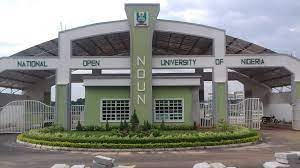
A picture of National Open University of Nigeria
Federal University

Does NOUN Accept Lower Credit for Direct Entry?

by Maryam A October 23, 2021
written by Maryam A

National Open University of Nigeria: A Brief Background

The National Open University (NOUN) is a Federal Open and Distance Learning (ODL) institution, the first of such in West Africa.

Popularly known as ‘NOUN,’ it is the largest tertiary institution, in Nigeria, in terms of student number.

On July 22, 1983, the National Open University of Nigeria was founded as a springboard for open and online learning in Nigeria.

However, on April 25, 1984, the government suspended it.

The past President of Nigeria, Gen. Olusegun Obasanjo, began resuscitation efforts on April 12, 2001.

The university’s pioneer student enrollment was 32,400 at the time of its launch.

It operates more than 75 Study Centres across the country. It has over 50 programs and 750 courses to choose from.

NOUN, as an ODL institution, does not deliver lectures to students in traditional classrooms, with the exception of a few study centers.

The National Universities Commission (NUC) has accredited the university’s programmes.

Direct Entry in the National Open University of Nigeria (NOUN)

Logo of National Open University of Nigeria

The fee for the NOUN Direct Entry form is a non-refundable fee of N2,000.00 (Two Thousand Naira only) and must be paid through the ADMISSION PORTAL.

National Open University of Nigeria Direct Entry Requirements

  1. Candidates are required to choose the National Open University of Nigeria as their first institution choice.
  2. Candidates must have obtained a minimum of Upper Credit at OND/HND. Statistics, Agriculture, Performing Arts, History, and International Studies, on the other hand, may accept a Lower Credit. Only Computer Science accepts HND for entry into the 200-level program.
  3. Merit in two (2) NCE subjects that are relevant (if applicable).
  4. A minimum of 6 points in each of the two relevant subjects in the IJMB, NABTEB, GCE, Cambridge, or similar examinations.
  5. 13 points in Physics, Chemistry, and Biology at A/L in IJMB, NABTEB, GCE, or Cambridge or equivalent for MB;BS; or
  6. Second Class (Upper Division) Honours Degree in Anatomy, Biochemistry, Microbiology, Physiology, Zoology, or other comparable Life Science subjects.

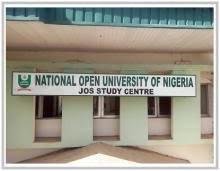
National Open University of Nigeria (NOUN) study centre.

Direct Entry: Everything You Need to Know

JAMB Direct Entry is mostly for people who already have a diploma certificate and want to enrol in a university degree programme.

Those who were admitted to a university via Direct Entry (DE) will often begin at 200 level in their institution of choice, granted they were awarded admission.

Eligibility for JAMB Direct Entry (DE)

Direct Entry candidates may be considered if they have one of the following qualifications:

  • A minimum of five (5) credit passes at Principal or Advanced level in no more than two sittings, with at least two mandated courses (for each discipline) at Principal or Advanced level. At both the Ordinary and Advanced Levels, no course may be counted twice.
  • SSCE/GCE, NTS/NBC credits equivalents in three other topics at the Advanced-Level Examination of the IJMB, Cambridge, JUPEB, or Institute of Baccalaureate with SSCE/GCE, NTS/NBC credits equivalents in two other subjects (in prescribed subjects for each field).
  • NCE with S.C.E. passes in two major courses, NTC/NBC credits or equivalents in THREE additional subjects (mostly for Education Courses), and ND. Education may be approved as a third A’ Level topic for education courses.
  • O’Level requirements and a minimum of a lower credit grade in a National Diploma or National Innovation Diploma.

How to Apply for Direct Entry into NOUN

  • Kindly visit the official Direct Entry portal at NOUN: noun.edu.ng
  • Fill in the blanks with your JAMB Registration Number and other information.
  • DE candidates should click the OK button in the dialogue box that appears and enter their names.
  • Make all required payments and provide accurate information as needed.
  • Finish your registration and print the Application form/slip.

Does NOUN Accept Lower Credit for Direct Entry?

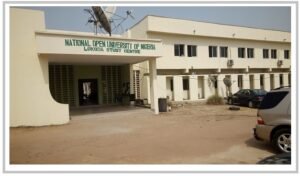
National Open University of Nigeria (NOUN) Lokoja Study Centre

Candidates seeking admission into the National Open University of Nigeria must have obtained a minimum of Upper Credit at OND/HND.

However, courses, such as History and Performing Arts, may accept Lower Credit.

October 23, 2021 0 comments
0 FacebookTwitterPinterestWhatsappTelegramCopy LinkEmail
A picture depicting a quota system
Federal UniversityPrivate UniversityState UniversityUniversity

Everything You Need to Know About Admission Quota (In Nigerian Universities)

by Maryam A October 23, 2021
written by Maryam A

What is the Quota System in Nigeria?

A quota system is any selection process (for example, for employment or school admittance) in which a specified percentage of individuals chosen must be of a specific ethnic or racial background and/or gender.

According to the quota system policy, specified percentages of admission spaces into Nigerian institutions are allocated based on population, ethnic considerations, and states of origin.

The quota system and catchment regions are federal government measures designed to close the educational gap between educationally developed and educationally underdeveloped states.

What is the admission quota?

A picture depicting a quota system

In this sense, quota refers to the number of people who should come from each state, regardless of whether or not they are qualified for the positions or honors.

This is the primary rationale for the ‘federal character‘ and ‘quota system’ in admissions to federal government-owned educational institutions.

Nigeria is reported to have adopted the quota system in its pursuit of human development.

In tertiary education, the quota system ensures that all of Nigeria’s federating units are represented in the admissions process.

As a means of exhibiting federal character in admission to federal universities, the following rules were approved:

  1. The six first-generation universities– University of Ibadan, University of Nigeria, University of Lagos, Ahmadu Bello University, Obafemi Awolowo University, and University of  Benin:
  2. 40% on merit from all states of the Federation
  3. 30% from catchment areas
  4. 20% for students from educationally underdeveloped states
  5. 10% for others at the discretion of the university.
  6. Second generation universities– University of Ilorin, University of Port Harcourt, University of Calabar, Usmanu Danfodiyo University, Bayero University, and University of Maiduguri:
  7. 30% on merit from all states of the federation.
  8. 30% from catchment regions.
  9. 30% for students from educationally deprived regions.
  10. Others may get 10% at the university’s discretion.
  11. Third generation universities– the Federal Universities of Technology.
  12. 20% from the catchment areas.
  13. 80% at the discretion of the university.

When all other factors for admission to federal universities, merit is the least important.

In order to close the educational gap, the government implemented the quota system and catchment area policies.

While some refer to it as an equity formula, others believe it is inequitable because the admissions process for students appears to be devoid of equity and merit.

Is the Quota System a Justified Way to get Students into School?

A picture depicting the quota system.

The quota system, which has been in place since 1979, impacts all public institutions in the country, including public universities, and governs not only student admissions but also staff recruitment, appointments, and promotions.

Some argue that the Nigerian quota system promotes educational mediocrity and even stunts development.

For admission, recruiting, promotion, and appointment, the quota system uses three criteria. These factors include merit, catchment area, and the degree of educational disadvantage at the state level.

Catchment area is weighted at 35%, merit is weighted at 45%, and the remaining 20% belongs to educationally undeveloped states, which are largely in the north, including Adamawa, Jigawa, Nasarawa, Zamfara, Benue, Gombe, Bauchi, Yobe, Kano, Katsina, Kaduna, Sokoto, Kwara, Niger, Borno, and Plateau states, as well as Cross River, Bayelsa, Rivers State, and Ebonyi in the south.

The quota system breeds inequality and corruption.

Candidates who qualify for university admission on the basis of merit but are not from the state where the university they applied to is located or who are not from an educationally underdeveloped region may be denied admission.

To accommodate racial, religious, majority-minority, the admission quota sacrifices quality and competence.

The quota system also affects the ranking of Nigerian universities in the world. In the quota system, excellence isn’t a factor; it’s more about where you come from and who you know.

The quota system also results in ethnicity and tribalism.

In addition, it promotes marginalisation in admissions and appointments.

How Does being an Indigene of a Region aids Your Prospect of Gaining Admission into an Institution?

The catchment area is weighted at 35%, merit is weighted at 45%, and the remaining 20% belongs to educationally undeveloped states.

Being an indigene of a region aids your possibility of getting admitted into a university that falls within their catchment area.

Let’s say two candidates are seeking admission to study their preferred courses in the Federal University of Technology, Akure. The first candidate is from Oyo State and the second from Anambra State.

With good grades, the candidate from Oyo State has a higher chance of getting admitted into FUTA than the latter because his/her state of origin falls within FUTA’s catchment area, which is weighted at 35%.

Why Should You Think of Admission Quota Before Applying to Universities?

Candidates should consider the admission quota before applying to public universities because it largely determines if they would be accepted or not.

October 23, 2021 0 comments
0 FacebookTwitterPinterestWhatsappTelegramCopy LinkEmail
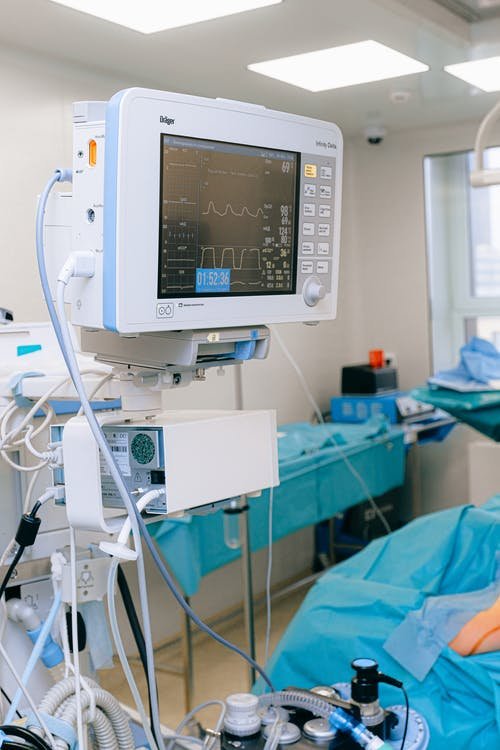
Medical Equipment on an Operation Room
Federal UniversityPrivate UniversityState UniversityUniversity

[VERIFIED] 12 Universities that Accept JUPEB for Medicine

by Maryam A September 28, 2021
written by Maryam A

Here are some of the Nigerian universities that accept JUPEB for Medicine:

  1. Olabisi Onabanjo University (OOU)
  2. University of Benin, Benin City
  3. University of Port Harcourt
  4. Bowen University
  5. University of Ilorin, Kwara State
  6. Afe Babalola University
  7. University of Lagos
  8. Osun State University
  9. University of Nigeria, Nsukka
  10. Niger Delta University
  11. Obafemi Awolowo University
  12. University of Uyo, Uyo

A Brief Background of Medicine

Medicine is the branch of science which deals with health and healing. It consists of nurses, doctors, and other specialists.

It covers disease diagnosis, treatment, and prevention, as well as medical research and a variety of other areas.

Medicine is concerned with promoting and maintaining good health and well-being.

Medicine comprises of different fields. Some of them include:

Surgery

Surgical operations are required to diagnose and treat certain diseases, malformations, and injuries. Instead of medication, they use instrumental and physical methods.

A surgeon can perform surgery to remove or replace sick tissue or organs or extract tissue for biopsy. In addition, they may remove undesirable tissue and send it to be diagnosed.

Clinical Practice

In a hospital or other healthcare setting, a clinician is a health practitioner who interacts directly with patients. Clinicians include nurses, doctors, psychotherapists, and other specialists.

Clinical Research

Researchers investigate whether diseases are present, why they occur, what can be done to treat or prevent them, what causes them to occur more frequently, and many other facets of health.

Man Looking Through A Microscope

Biomedical Research

The goal of this branch of study is to find solutions to prevent and treat diseases that cause illness or death.

Biomedical researchers examine biological processes and disorders using biotechnology tools. They want to create effective treatments and cures.

Psychotherapy

Counseling, cognitive behavioral therapy (CBT), and other types of “talking cure” might be beneficial for persons suffering from mental health issues such as depression, stress, or chronic pain.

Branches of medicine include biochemistry, biophysics, anatomy, genetics, pathology, radiology, pharmacology, and a host of others.

Medicine and Surgery JUPEB WAEC Subject Combination

Candidates for Medicine and Surgery at any JUPEB-accredited university or institution must meet the following requirements:

  1. A minimum of 5 credit passes in Maths, English Language, Physics, Chemistry, Biology, or any other subject is required.
  2. Candidates’ bio data will be required for online registration.

The ideal JUPEB cut off mark for all JUPEB affiliated universities is 5 points; nevertheless, courses differ, hence cut off marks vary.

JAMB set a ceiling on cut-off marks for all schools, just like it did for UTME admission, so that no university, polytechnic, or college of education could fall below it.

The same is true for JUPEB direct entry admissions.

Heart Rate Monitor

SESSION 2021/2022 JUPEB CUT OFF POINTS FOR MEDICINE AND SURGERY

The overall cutoff threshold is 5, which means that you are automatically eligible to apply for admission; however, individuals with higher JUPEB scores have a better chance than those with lower scores.

All JUPEB affiliated schools accept 12 POINTS for Medicine and Surgery, with the exception of Obafemi Awolowo University, which accepts 13 POINTS for Medicine and Surgery from candidates having JUPEB results.

September 28, 2021 0 comments
0 FacebookTwitterPinterestWhatsappTelegramCopy LinkEmail
Newer Posts
Older Posts
  • Business
  • college of Edu
  • Education
  • Featured
  • Federal Polytechnic
  • Federal University
  • FUTA
  • MBA
  • Other Institutions
  • Polytechnic
  • Private University
  • Scholarship
  • State Polytechnic
  • State University
  • University

IMPORTANT LINKS

  • About Us
  • Contact Us
  • Privacy Policy
Footer Logo
  • About Us
  • Contact Us
  • Privacy Policy

@2020 - All Right Reserved. Designed and Developed by Wapzola


Back To Top
School Reviews by Real Students.
  • Home
  • University
    • Federal University
    • State University
    • Private University
  • Polytechnic
    • State Polytechnic
    • Federal Polytechnic
  • college of Edu
  • Other Institutions
    • Scholarship
    • Business
    • MBA
  • Privacy Policy
  • About Us
  • Contact Us