In October 2021, I embarked on a journey that many professionals contemplate: enrolling in an MBA program. I chose Rome Business School Nigeria because I wanted to validate the leadership role I held at the time and acquire new skills to better manage my business.
Now that I’ve completed the program, I want to share my experience and the core takeaways to help you decide if this path is right for you.
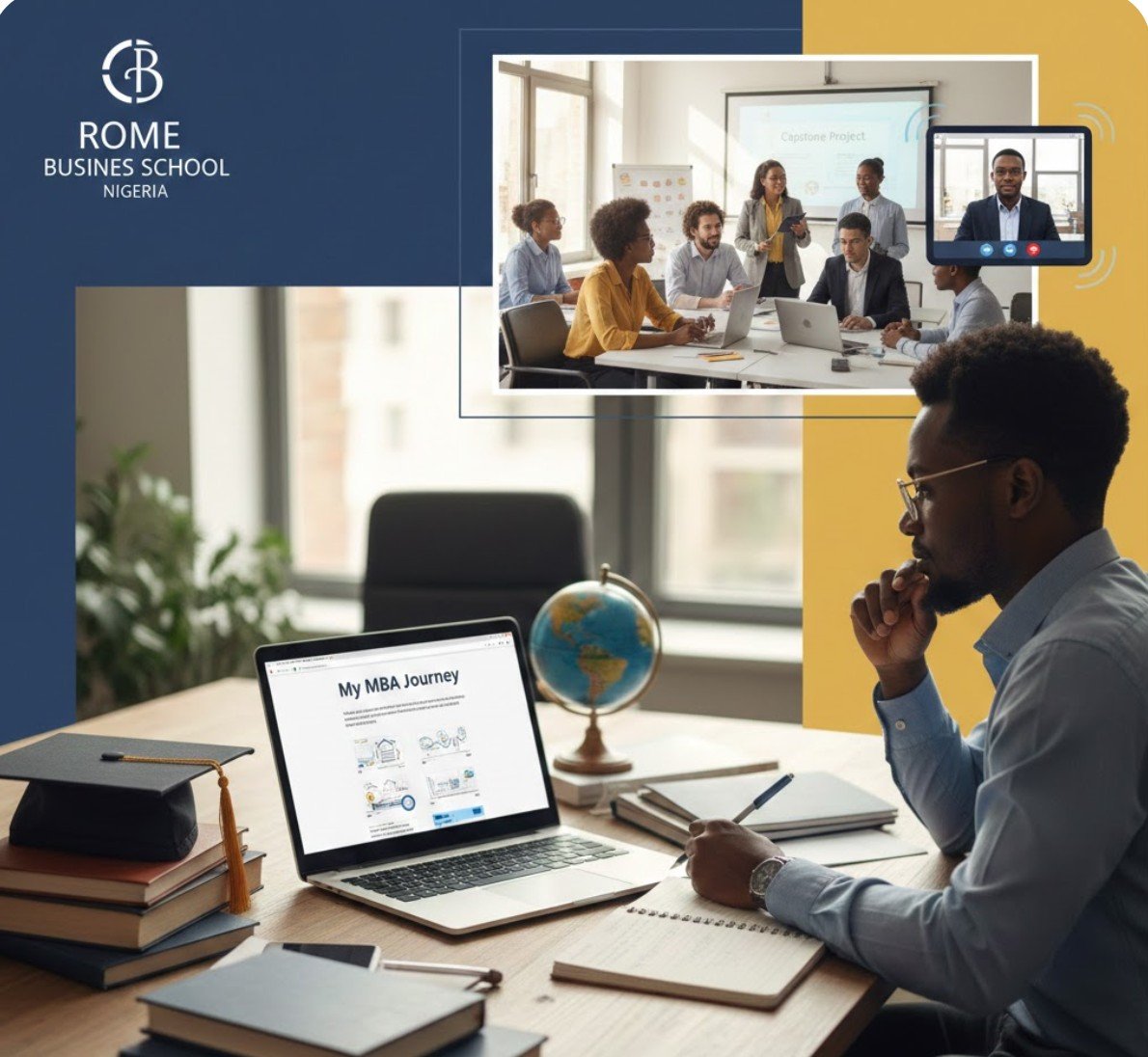
rome business school mba review
Also check out: Amity Online MBA Review: The Good, The Bad, and The Truth After 9 Months
5 Key Takeaways from My MBA Experience
1. Flexibility of Learning
The program offers a “hybrid” approach, allowing students to attend lectures either in person or virtually via Zoom.
-
The Experience: I started physically and transitioned to virtual sessions toward the end. While the virtual option is effective, I found the in-person experience more immersive.
-
Cost Difference: Keep in mind that students typically pay a bit more for the in-person option compared to the virtual track.
2. Real-World Interaction
One of the highlights was the caliber of the faculty. Many lecturers were “on-the-job” professionals—people currently working in their fields. This meant:
-
Lessons were married to real-world scenarios.
-
Discussions focused on how to apply concepts across different sectors.
-
The interaction with both classmates and lecturers was genuinely awesome.
3. The Capstone Project
Instead of just a traditional thesis, we worked on a Capstone Project. Each group member pitched an idea, and the group unanimously chose the best one to develop. My group worked on a “Gas-to-Home Pay-As-You-Use” project. The collaboration and the process of vetting pitches were incredibly valuable.
4. The Internship Program (Optional but Recommended)
The school encourages students to intern at a company of their choice.
My Advice: Plan this well in advance! I aimed for an internship with Microsoft Nigeria, but unfortunately, it didn’t work out. If you do this, reach out to 2–3 organizations that can boost your CV and provide real learning opportunities.
5. High-Level Networking
You meet people from diverse backgrounds—banking, oil and gas, telecoms, and more. Bonding with experienced classmates and lecturers creates a support system you can reach out to when you face challenges in their areas of expertise.
The Reality Check: Is an MBA Worth It?
People often ask if an MBA is worth the investment. My honest answer? It depends.
When it is worth it:
If you are currently working or managing a business, an MBA is invaluable. You can immediately apply the concepts to your job, making the lessons stick. I also appreciated the “Glocal” concept at Rome Business School—learning to think like a global citizen while acting locally within your specific environment.
When you might want to wait:
-
Fresh Graduates: If you’ve just finished your BSc and don’t have work experience, you may struggle to relate to the concepts.
-
Financials: An MBA is not cheap. It requires saving and financial planning.
-
The “Expert” Trap: An MBA doesn’t automatically make you an authority. Nothing beats “getting your hands dirty” in the real world. You still need practical experience and mentorship.
Final Thoughts
Overall, I appreciated how the Executive MBA was designed for the busy schedules of working professionals. It bridges the gap between theory and practice, provided you have a “practice ground” to use it.
What’s your take? Do you think an MBA is still a “must-have” in today’s business world, or is on-the-job experience enough?
Let me know your thoughts in the comments below!
Enjoyed this post? Don’t forget to like, and share for more insights into professional growth and business management!
