School Reviews by Real Students.
  • Home
  • University
    • Federal University
    • State University
    • Private University
  • Polytechnic
    • State Polytechnic
    • Federal Polytechnic
  • college of Edu
  • Other Institutions
    • Scholarship
    • Business
    • MBA
  • Privacy Policy
  • About Us
  • Contact Us
Home » State University » Page 12
Category:

State University

All state universities in nigiera

A picture of the University of Benin
Federal UniversityPrivate UniversityState UniversityUniversity

[DETAILED] Admission Requirements for University (in Nigeria)

by Maryam A October 23, 2021
written by Maryam A

Here are the admission requirements for universities in Nigeria:

  • All candidates must have a WAEC result and obtain five (5) O/Level credits or its equivalent from the JAMB and Unified Tertiary Matriculation Examination (UTME).
  • All candidates are required to apply for and sit for the Joint Admission and Matriculation Board Examination (JAMB).
  • All candidates must pass the JAMB with a minimum score of 180 or 200.
  • All candidates must obtain a minimum pass mark in any University’s Unified Tertiary Matriculation Examination (UTME) Cut off mark, and their information must have been forwarded to any university to which they applied by the Joint Admissions and Matriculation Board (JAMB).
  • The candidate must be sixteen (16) years old by the 31st of October of the year of admission because that is the required age.

All admissions candidates are expected to meet these requirements before a university considers them for any program, which is true for both highly competitive institutions and those considered second choices.

All Ways of Getting University Admission and their Requirements

SSCE

WAEC's logo

SSCE and O’level results are the same thing.  O’level is an abbreviation for Ordinary Level, whereas SSCE is an abbreviation for Senior Secondary Certificate Examination. They are frequently used interchangeably.

The term “SSCE result” refers to the results you have from WAEC, NECO, NABTEB, or NBAIS, whether external (GCE) or internal (May/June or June/July).

These are the results that are accepted for admission to any school in Nigeria. WAEC and NECO are both accepted at foreign universities.

General Requirements for SSCE Results for Admission

  1. You will need at least credit passes (i.e. C6, C5, C4, B3, B2 or A1) in Mathematics, English Language, Biology, Chemistry, and Physics if you propose Medicine, Nursing, Pharmacy, Botany, Medical Laboratory Science, Science Laboratory Technology (SLT), Medical rehab, and other medical science or pure science courses.
  2. If you propose agricultural courses, you must have at least credit passes in Mathematics, English, Biology/Agric Science, Chemistry, and Physics.
  3. If you propose an Engineering, Technology, or Computer-Related Course, you must have at least one credit pass in Mathematics, English, Physics, Chemistry, Biology, or any other science subject.
  4. Suppose you propose Management and social science courses such as Economics, Accounting, Business Administration, Marketing, etc. In that case, you will need at least credit passes in Mathematics, English Language, Economics, and two other social science subjects such as Account, Commerce, Geography, and so on.
  5. Suppose you propose Art courses such as philosophy, Linguistics, English and Literature in English, Political Science, and so on. In that case, you must have at least credit passes in Mathematics, English Language, Literature, Government, and one other art/social science subject such as Yoruba/Igbo/Hausa, Civic Education, Economics, and so on.
  6. If you propose education courses, you will need at least three credit passes in Mathematics, English Language, and three other related science, art, or social science subjects.

Exceptions to the 5 Credit Pass Rule of in One or Two Sittings

  1. Some Art courses, such as Law, Philosophy, and others, as well as some Education courses, may not require a credit pass in Mathematics. Some schools require at least a pass (D7 or E8). It would be best if you looked for such schools and courses in the JAMB brochure before making your UTME selection.
  2. For all of its courses, the Nigerian Police Academy usually requires at least 6 credit passes in no more than two sittings. This could change at any time in the future. Such an update can be found in the school’s admissions advertisement.
  3. Whereas some schools accept two sittings, others require at least six credit passes. One such university is the University of Ibadan. Remember that the JAMB brochure is your best guide in this situation.
  4. If you are applying for a pre-degree, pre-ND, or pre-NCE programme, you may be offered admission even if your O’level results are not yet ready, in which case you can use awaiting results, or you may be admitted with one or two deficiencies. You must, however, complete your result before the end of your course.
  5. You can also use an awaiting result (AR) from WAEC, NECO, NABTEB, or GCE for your UTME application if you’re confident you’ll complete the five or six related subjects before the admission exercise as your preferred school begins.
  6. If a school admits a student despite the fact that he does not have the required SSCE grades, the student may not be awarded his certificate until he can provide the necessary results/grades. This is one of the reasons why most students who are already in school will retake the SSCE. Despite the fact that this is a rare occurrence.
  7. Some schools and courses require only one sitting for the SSCE. The University of Ibadan for Medicine and other similar institutions consider one sitting. For Law, the university requires five (5) O’level credit passes in one sitting or six (6) O’level credit passes in two (2) sittings, which must include English Language, Literature in English, and any other subjects from the Arts, Social Sciences, or Sciences.

JAMB

Logo of JAMB

To be considered for admission, students must have a minimum Jamb score of 160, or the JAMB’s yearly official cut off score.

Five (5) credits, including English Language and Mathematics, on no more than two SSCE sittings, are also required for admissions consideration.

The minimum admission requirements for Engineering and Technology disciplines are credit levels in five subjects from the Senior Secondary School final year examination or GCE ‘O’ Level, including Mathematics, English Language, Physics, and Chemistry.

Candidates must also have a passing score in the UTME. It is also preferable for candidates to have credit in Further Mathematics and Technical Drawing. These candidates will have an advantage.

October 23, 2021 0 comments
0 FacebookTwitterPinterestWhatsappTelegramCopy LinkEmail
Close-up Photo of a Stethoscope
Federal UniversityPrivate UniversityState UniversityUniversity

31 Universities that Allow Students Transfer to Medicine (In Nigeria)

by Maryam A October 23, 2021
written by Maryam A

Medicine: A Brief Background

Medicine is the study and practice of health and healing.

It consists of nurses, doctors, and other specialists. It addresses disease diagnosis, treatment, and prevention, as well as medical research and many other aspects of health.

Medicine seeks to promote and preserve health and well-being.

Allopathic medicine is another term for conventional modern medicine. It entails the use of drugs or surgery, which is frequently accompanied by counselling and lifestyle changes.

Acupuncture, homoeopathy, herbal medicine, art therapy, traditional Chinese medicine, and many other forms of alternative and complementary medicine are examples.

Purple Petaled Flowers in Mortar and Pestle

Some areas of specialisation in medicine include the following

  • Pathology
  • Allergology
  • Cardiology
  • Surgery
  • Dermatology
  • Paediatrics
  • Anesthesiology
  • Gastroenterology
  • Orthopaedics
  • Radiology
  • Emergency Medicine
  • Internal Medicine
  • Psychiatry
  • Obstetrics & Gynecology
  • Family and General Practice
  • Public Health
  • Research

The following organisations are employers of medical practitioners:

Clinics, rehabilitation centres, hospitals, government agencies, medical schools, health networks, private or group practice, armed services, nursing homes, colleges or universities, correctional facilities, large corporations, medical schools, and a host of others.

Requirements for Admission

Entry Requirements for the UTME

Candidates seeking admission to study bachelors programme in Medicine and Surgery should fulfil the following requirements:

  • Such students must have obtained at least five (5) credit passes in biology, chemistry, mathematics, physics, and English language in the West African School Certificate or its equivalent (GCE, SSCE, NECO) in no more than two sittings.
  • However, the university reserves the right to further screen students for admission through an oral interview or an aptitude test.

Requirements for Direct Entry

Candidates with any of the following qualifications may be considered for admission in addition to the requirements listed above:

  • At least three Advanced Level General Certificate of Education (GCE) Physics, Chemistry, and Biology/Zoology should be included.
  • Candidates who hold a first degree in the medical, para-medical, or biological sciences with at least a second class lower division from a recognised institution.

Requirements for Graduation

The program will last six (6) years, with the first three (3) sessions dedicated to the mandatory acquisition and passing of Basic Medical Sciences courses.

A student must pass all prescribed examinations in order to graduate from the MBBS degree program.

Job Opportunity

Graduates of the MBBS degree program are well prepared (after housemanship) for careers in hospitals, private practice, teaching, research activities in universities or research institutions, and even administration. Graduates of the MBBS degree program are also prepared for postgraduate training anywhere in the world.

Universities that Allow Transfer to Medicine

The following universities accept students who intend to transfer to medicine:

  1. Abia State University, Uturu
  2. Ambrose Alli University
  3. Ahmadu Bello University
  4. Bayero University, Kano
  5. Babcock University
  6. Bowen University
  7. Usman Danfodio University
  8. University of Osun
  9. University of Ilorin
  10. University of Benin
  11. University of Ibadan
  12. University of Jos
  13. University of Nigeria
  14. University of Lagos
  15. Lagos State University
  16. Madonna University
  17. University of Maiduguri
  18. Igbinedion University
  19. Olabisi Onabanjo University
  20. Obafemi Awolowo University
  21. Nnamdi Azikiwe University
  22. Ekiti State University
  23. University of Uyo
  24. University of Nigeria, Nsukka
  25. University of Port Harcourt
  26. University of Calabar
  27. Ladoke Akintola University
  28. Afe Babalola University
  29. Kaduna State University
  30. Bingham University
  31. Imo State University

A picture of Babcock University's building.

October 23, 2021 0 comments
0 FacebookTwitterPinterestWhatsappTelegramCopy LinkEmail
A picture depicting a quota system
Federal UniversityPrivate UniversityState UniversityUniversity

Everything You Need to Know About Admission Quota (In Nigerian Universities)

by Maryam A October 23, 2021
written by Maryam A

What is the Quota System in Nigeria?

A quota system is any selection process (for example, for employment or school admittance) in which a specified percentage of individuals chosen must be of a specific ethnic or racial background and/or gender.

According to the quota system policy, specified percentages of admission spaces into Nigerian institutions are allocated based on population, ethnic considerations, and states of origin.

The quota system and catchment regions are federal government measures designed to close the educational gap between educationally developed and educationally underdeveloped states.

What is the admission quota?

A picture depicting a quota system

In this sense, quota refers to the number of people who should come from each state, regardless of whether or not they are qualified for the positions or honors.

This is the primary rationale for the ‘federal character‘ and ‘quota system’ in admissions to federal government-owned educational institutions.

Nigeria is reported to have adopted the quota system in its pursuit of human development.

In tertiary education, the quota system ensures that all of Nigeria’s federating units are represented in the admissions process.

As a means of exhibiting federal character in admission to federal universities, the following rules were approved:

  1. The six first-generation universities– University of Ibadan, University of Nigeria, University of Lagos, Ahmadu Bello University, Obafemi Awolowo University, and University of  Benin:
  2. 40% on merit from all states of the Federation
  3. 30% from catchment areas
  4. 20% for students from educationally underdeveloped states
  5. 10% for others at the discretion of the university.
  6. Second generation universities– University of Ilorin, University of Port Harcourt, University of Calabar, Usmanu Danfodiyo University, Bayero University, and University of Maiduguri:
  7. 30% on merit from all states of the federation.
  8. 30% from catchment regions.
  9. 30% for students from educationally deprived regions.
  10. Others may get 10% at the university’s discretion.
  11. Third generation universities– the Federal Universities of Technology.
  12. 20% from the catchment areas.
  13. 80% at the discretion of the university.

When all other factors for admission to federal universities, merit is the least important.

In order to close the educational gap, the government implemented the quota system and catchment area policies.

While some refer to it as an equity formula, others believe it is inequitable because the admissions process for students appears to be devoid of equity and merit.

Is the Quota System a Justified Way to get Students into School?

A picture depicting the quota system.

The quota system, which has been in place since 1979, impacts all public institutions in the country, including public universities, and governs not only student admissions but also staff recruitment, appointments, and promotions.

Some argue that the Nigerian quota system promotes educational mediocrity and even stunts development.

For admission, recruiting, promotion, and appointment, the quota system uses three criteria. These factors include merit, catchment area, and the degree of educational disadvantage at the state level.

Catchment area is weighted at 35%, merit is weighted at 45%, and the remaining 20% belongs to educationally undeveloped states, which are largely in the north, including Adamawa, Jigawa, Nasarawa, Zamfara, Benue, Gombe, Bauchi, Yobe, Kano, Katsina, Kaduna, Sokoto, Kwara, Niger, Borno, and Plateau states, as well as Cross River, Bayelsa, Rivers State, and Ebonyi in the south.

The quota system breeds inequality and corruption.

Candidates who qualify for university admission on the basis of merit but are not from the state where the university they applied to is located or who are not from an educationally underdeveloped region may be denied admission.

To accommodate racial, religious, majority-minority, the admission quota sacrifices quality and competence.

The quota system also affects the ranking of Nigerian universities in the world. In the quota system, excellence isn’t a factor; it’s more about where you come from and who you know.

The quota system also results in ethnicity and tribalism.

In addition, it promotes marginalisation in admissions and appointments.

How Does being an Indigene of a Region aids Your Prospect of Gaining Admission into an Institution?

The catchment area is weighted at 35%, merit is weighted at 45%, and the remaining 20% belongs to educationally undeveloped states.

Being an indigene of a region aids your possibility of getting admitted into a university that falls within their catchment area.

Let’s say two candidates are seeking admission to study their preferred courses in the Federal University of Technology, Akure. The first candidate is from Oyo State and the second from Anambra State.

With good grades, the candidate from Oyo State has a higher chance of getting admitted into FUTA than the latter because his/her state of origin falls within FUTA’s catchment area, which is weighted at 35%.

Why Should You Think of Admission Quota Before Applying to Universities?

Candidates should consider the admission quota before applying to public universities because it largely determines if they would be accepted or not.

October 23, 2021 0 comments
0 FacebookTwitterPinterestWhatsappTelegramCopy LinkEmail
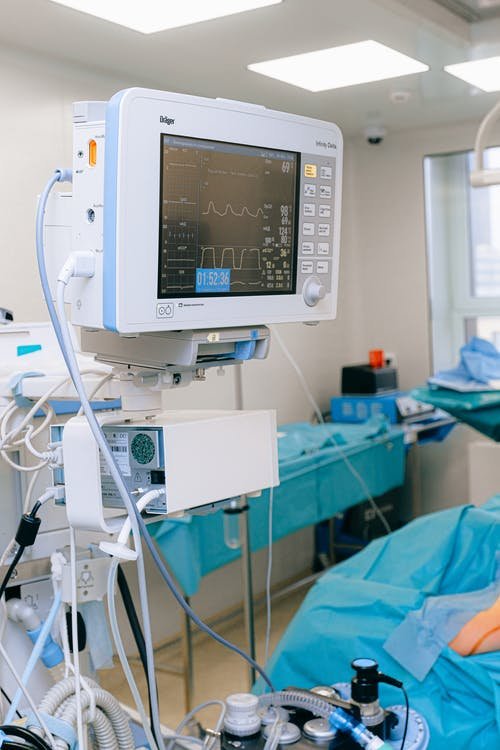
Medical Equipment on an Operation Room
Federal UniversityPrivate UniversityState UniversityUniversity

[VERIFIED] 12 Universities that Accept JUPEB for Medicine

by Maryam A September 28, 2021
written by Maryam A

Here are some of the Nigerian universities that accept JUPEB for Medicine:

  1. Olabisi Onabanjo University (OOU)
  2. University of Benin, Benin City
  3. University of Port Harcourt
  4. Bowen University
  5. University of Ilorin, Kwara State
  6. Afe Babalola University
  7. University of Lagos
  8. Osun State University
  9. University of Nigeria, Nsukka
  10. Niger Delta University
  11. Obafemi Awolowo University
  12. University of Uyo, Uyo

A Brief Background of Medicine

Medicine is the branch of science which deals with health and healing. It consists of nurses, doctors, and other specialists.

It covers disease diagnosis, treatment, and prevention, as well as medical research and a variety of other areas.

Medicine is concerned with promoting and maintaining good health and well-being.

Medicine comprises of different fields. Some of them include:

Surgery

Surgical operations are required to diagnose and treat certain diseases, malformations, and injuries. Instead of medication, they use instrumental and physical methods.

A surgeon can perform surgery to remove or replace sick tissue or organs or extract tissue for biopsy. In addition, they may remove undesirable tissue and send it to be diagnosed.

Clinical Practice

In a hospital or other healthcare setting, a clinician is a health practitioner who interacts directly with patients. Clinicians include nurses, doctors, psychotherapists, and other specialists.

Clinical Research

Researchers investigate whether diseases are present, why they occur, what can be done to treat or prevent them, what causes them to occur more frequently, and many other facets of health.

Man Looking Through A Microscope

Biomedical Research

The goal of this branch of study is to find solutions to prevent and treat diseases that cause illness or death.

Biomedical researchers examine biological processes and disorders using biotechnology tools. They want to create effective treatments and cures.

Psychotherapy

Counseling, cognitive behavioral therapy (CBT), and other types of “talking cure” might be beneficial for persons suffering from mental health issues such as depression, stress, or chronic pain.

Branches of medicine include biochemistry, biophysics, anatomy, genetics, pathology, radiology, pharmacology, and a host of others.

Medicine and Surgery JUPEB WAEC Subject Combination

Candidates for Medicine and Surgery at any JUPEB-accredited university or institution must meet the following requirements:

  1. A minimum of 5 credit passes in Maths, English Language, Physics, Chemistry, Biology, or any other subject is required.
  2. Candidates’ bio data will be required for online registration.

The ideal JUPEB cut off mark for all JUPEB affiliated universities is 5 points; nevertheless, courses differ, hence cut off marks vary.

JAMB set a ceiling on cut-off marks for all schools, just like it did for UTME admission, so that no university, polytechnic, or college of education could fall below it.

The same is true for JUPEB direct entry admissions.

Heart Rate Monitor

SESSION 2021/2022 JUPEB CUT OFF POINTS FOR MEDICINE AND SURGERY

The overall cutoff threshold is 5, which means that you are automatically eligible to apply for admission; however, individuals with higher JUPEB scores have a better chance than those with lower scores.

All JUPEB affiliated schools accept 12 POINTS for Medicine and Surgery, with the exception of Obafemi Awolowo University, which accepts 13 POINTS for Medicine and Surgery from candidates having JUPEB results.

September 28, 2021 0 comments
0 FacebookTwitterPinterestWhatsappTelegramCopy LinkEmail
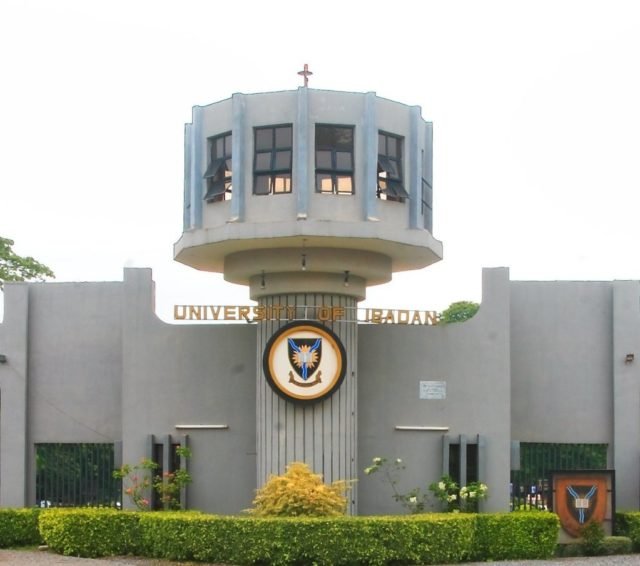
A picture of the University of Ibadan
Federal UniversityPrivate UniversityState UniversityUniversity

[VERIFIED] 49 Universities that Accept IJMB for Nursing in Nigeria

by Maryam A September 28, 2021
written by Maryam A

Nursing: A Brief Background

Nurses in Nigeria are licensed to practice professionally by the NMCN after completing extensive educational and clinical training and passing appropriate professional exams.

In Nigeria, becoming a nurse necessitates completing nursing training at a school of nursing, a school of basic midwifery, or a university.

The School of Nursing offers a three-year hospital-based programme that culminates in the award of a Certificate in General Nursing.

The curriculum is designed to allow nursing students to learn in the classroom for half of their training and then go on clinical placements for the other half.

In a similar vein, the school of basic midwifery offers a three-year training program for midwives.

Although it is progressively being phased out, this method is no longer the norm.

Nurses are also educated in Nigeria’s universities. Nursing programmes in the university usually run for five years. The programme leads to professional qualifications as well as a bachelor’s degree.

Student nurses take the professional test for the Certificate in General Nursing (RN) in their fourth year of study, and in their fifth year, they study Midwifery and Public Health Nursing, which is optional.

During the fifth year, student nurses enroll for professional examinations required to qualify them as Public Health Nurses (RPH) and Midwives (RM).

They are also awarded a bachelor’s degree in addition to their professional certificates.

They must undergo a one-year internship programme after graduation.

The internship programme is intended to provide students with clinical experience and assist them in honing their clinical skills before they acquire their license to practice.

Nurses in Nigeria specialise in a variety of fields, including: Renal Nursing, Public Health Nursing, Mental Health Nursing, Paediatric Nursing, Accident and Emergency Nursing, Occupational Health Nursing, Anaesthetic Nursing, Critical Care Nursing, Orthopaedic Nursing, Geriatric Nursing, amongst others.

Everything You Need to Know about IJMB (Interim Joint Matriculation Board)

Interim Joint Matriculation Board (IJMB) is an approved, proven, and certified Advanced level curriculum moderated by Ahmadu Bello University with coordinating bodies at various tertiary institutions and study centers around the country.

At its inception, the program was intended to provide a chance for individuals who were unable to secure entrance to traditional degree programs at Northern Universities for a variety of reasons.

Candidates who have not yet received their Ordinary Level (O’ level) results are also eligible to apply.

The Federal Government has recognised the IJMB as a platform for gaining admission into higher institutions both in Nigeria and overseas.

IJMB is a reliable programme. Every year, around 20,000 candidates apply for the programme, and more than 70% of those who apply are accepted into the 200 level of their desired institution and course.

IJMB is accredited by the National Universities Commission (NUC). The programme offers an Advanced level examination that qualifies students for Direct Entry (DE) into the 200 level.

Candidates must choose any THREE (3) A/L IJMB Subject Combination that corresponds to their selected university field of study, whether it be a Science, Art, or Social Science course.

Candidates would then be lectured for the required amount of time at their chosen Study Centre before taking the final examination. Successful candidates can use their IJMB certificate to get admission to any Nigerian tertiary institution’s 200 level via Direct Entry after completing the programme.

More than 80% of Nigerian federal, state, and private universities now recognise and accept the IJMB certificate.

The program is organised into two (2) semesters and lasts for one academic session (9-10 months).

Your ordinary level result is the primary admission qualification for the IJMB. Anyone who wishes to apply for the IJMB must have finished their secondary school education. Candidates who are awaiting their ordinary level results can still apply for the IJMB programme. Candidates who are nearing the end of their secondary school education are also eligible to apply.

Federal Universities that Accept IJMB for Nursing

  1. Ahmadu Bello University, Zaria
  2. Bayero University, Kano
  3. Nnamdi Azikwe University
  4. Obafemi Awolowo University
  5. University of Benin
  6. Usmanu Danfodiyyo University, Sokoto
  7. University of Port Harcourt
  8. University of Lagos
  9. University of Nigeria, Nsukka
  10. University of Maiduguri
  11. University of Calabar
  12. University of Jos
  13. University of Abuja
  14. University of Ibadan
  15. University of Ilorin
  16. University of Lagos
  17. University of Uyo
  18. National Open University of Nigeria

State Universities that Accept IJMB for Nursing

  1. Ambrose Alli University, Ekpoma
  2. Abia State University, Uturu
  3. Benue State University, Makurdi
  4. Chukwuemeka Odumegu Ojukwu University
  5. Delta State University
  6. Ebonyi State University
  7. Ekiti State University
  8. Enugu State University of Science & Technology
  9. Gombe State University
  10. Imo State University
  11. Kogi State University
  12. Kaduna State University
  13. Lagos State University
  14. Ladoke Akintola University of Science and Technology
  15. Ondo State University of Medical Sciences
  16. Olabisi Onabanjo University
  17. Osun State University
  18. Lagos State University
  19. Delta State University, Abraka
  20. Niger Delta University, Bayelsa
A picture of Niger Delta University

Niger Delta University (NDU)

Private Universities that Accept IJMB for Nursing

  1. Afe Babalola University
  2. Al-Hikmah University
  3. Babcock University
  4. Covenant University
  5. Bingham University
  6. Bowen University
  7. Igbinedion University
  8. Gregory University
  9. Madonna University
  10. Lead City University
  11. Achievers University

Logo of Bingham University

September 28, 2021 0 comments
0 FacebookTwitterPinterestWhatsappTelegramCopy LinkEmail
The logo of Akwa Ibom State University
State UniversityUniversity

Everything You Need to Know About Akwa Ibom State University

by Maryam A January 23, 2021
written by Maryam A

Akwa Ibom State University (AKSU) is a young institution founded by the Akwa Ibom Government. The institution commenced operation in the 2010/2011 academic year.

The multi-campus institution has its main campus located at Ikot Akpaden, Mkpat Enin Local Government Area. The other campus is located along Abak-Ikot Okoro Road.

AKSU’s workforce is made up of notable lecturers and professors with degrees from internationally-acclaimed institutions. The institution provides ICT support and laboratory facilities. The environment is also conducive for learning.

 Akwa Ibom State University Portal

To access AKSU’s portal, kindly visit: https://www.portal.aksu.edu.ng/

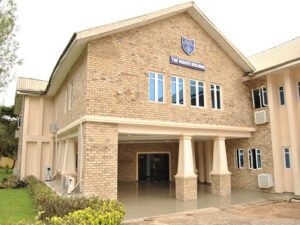
A building in Akwa Ibom State University

Akwa Ibom State University School Fees

The school fees for the 2020/2021 academic session are as follows:

Indigenes: N53,000

Non-indigenes: N73,000

Akwa Ibom State University Cut Off Mark 2020

The UTME cut-off mark for 2020/2021 academic is 180. This means that applicants seeking admission must score 180 or above in JAMB.

Akwa Ibom State University Post UTME 2020

To qualify for AKSU Post UTME screening, candidates must meet the following requirements:

  • Must score a minimum of 180 in UTME
  • Must possess at least five credit passes in relevant subjects in O’ Level. This must be obtained at not more than two sittings.
  • Must have chosen Akwa Ibom State University as their first choice.
  • Must score not less than 180 in the Post UTME screening test.

Students of Akwa Ibom State University

 Akwa Ibom State University Address

AKSU’s main campus is located at Ikot Akpaden, Mkpat Enin LGA. The other campus is located at Obio Akpa, Oruk Anam LGA.

Akwa Ibom State University News

The latest news about Akwa Ibom State University in areas of Academic News, Calendar, and more are updated on the official website.

You can access this by visiting: https://www.aksu.edu.ng/

Akwa Ibom State University Courses

Some of the courses offered at AKSU include:

Animal Science

Business Administration

Economics

Education and Mathematics

Geology

Public Administration

 Akwa Ibom State University Main Campus Ikot Akpaden

It was previously decided that AKSU would be situated at the University Town, within Akwa Ibom State’s Technology Triangle. The state government, however, decided that AKSU would be a multi-campus institution.

The main campus is located at Ikot Akpaden, Mkpat Enin Local Government Area.


January 23, 2021 0 comments
0 FacebookTwitterPinterestWhatsappTelegramCopy LinkEmail
A picture of Abia State University
State UniversityUniversity

Abia State University: A Comprehensive Review

by Maryam A January 23, 2021
written by Maryam A

Abia State University is a state-owned institution of higher learning founded in 1981 as ‘Imo State University, Etiti.’ Abia State University moved to its permanent site at Uturu Okigwe between 1984 and 1985.

After Abia State was created in 1991, the university was renamed Abia State University, Uturu, Isuikwuato Local Government Area, Abia State.

The university has two main campuses that offer undergraduate, graduate, and doctorate programmes.

 Abia State University Notable Alumni

Some of the notable personalities produced by Abia State University include:

John Godson

Orji Uzor Kalu

Mary Ikoku

Ossy Prestige

Ezinne Akudo

The senate building in Abia State University

Abia State University Location

Abia State University is located in Uturu, Abia State, Nigeria.

 Abia State University School Fees

Departments 600L (Fees per Semester) 200L & Above (Fees per Semester) 100L (Fees Per Semester)
Medicine & Surgery, Medical Lab Science, Optometry, Nursing Sciences, Law, Accountancy, Architecture, Estate Management.

Acceptance Fee

Accreditation Fee

Development Fee

N40,000

–

–

–

N56,000

–

–

–

N56,000

N50,000

N30,000

N50,000

Accounting, Banking & Finance, Marketing, Management, Economics, Microbiology, Biochemistry, Industrial Chemistry, Political Science, Mass Communication, History and International Relations

Acceptance Fee

Accreditation Fee

Development Fee

–

–

–

–

N52,000

–

–

–

N52,000

N45,000

N25,000

N30,000

Other courses not included in A & B above

Acceptance Fee

Accreditation Fee

Development Fee

–

–

–

–

N48,000

–

–

–

N48,000

N40,000

N20,000

N20,000

 Abia State University Address

P.M.B. 2000, Uturu, Abia State, Nigeria.

 Abia State University Portal

The university’s portal can be used to check semester results, request for hostel allocation, check admission status, print receipt, generate an invoice, and so much more.

To access the portal, kindly visit: https://portal.abiastateuniversity.edu.ng/

A picture of Abia State University

Abia State University News

For the latest news and updates, kindly visit the following link: http://abiastateuniversity.edu.ng/

 Abia State University Post UTME 2020

The Post UTME screening for the 2020/2021 academic session was scheduled to take place between August 24, 2020, and September 7, 2020.

For candidates to be qualified for the screening exercise, they must fulfill the following requirements:

  • Candidates must have chosen Abia State University as their first choice. Candidates who did not choose this institution as their first choice must have effected a change of institution on the JAMB platform.
  • Must have scored a minimum of 180 in UTME.
  • Must possess at least 5 credits (including English Language and Mathematics) in O’ Level. This must be obtained at not more than two sittings.

Candidates are required to log into the official website (www.abiastateuniversity.edu.ng) and make the e-payment of two thousand naira only.

Abia State University Cut Off Mark 2020

The cut off mark for the 2020/2021 academic session is 180. This implies that candidates seeking admission into Abia State University must score a minimum of 180 in JAMB.


January 23, 2021 0 comments
0 FacebookTwitterPinterestWhatsappTelegramCopy LinkEmail
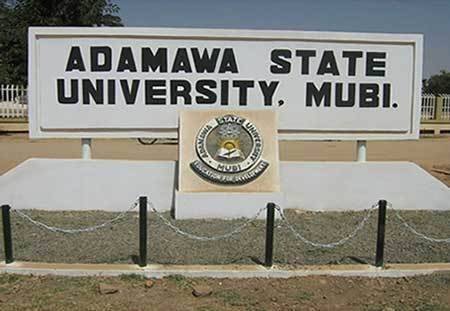
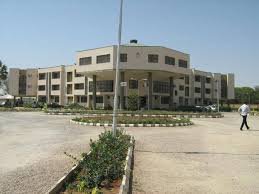
A picture of Adamawa State University
State UniversityUniversity

Adamawa State University (ADSU): A Detailed Guide

by Maryam A January 22, 2021
written by Maryam A

Adamawa State University, Mubi (ADSU) is a state-owned institution founded in 2002. Located in the Northern Senatorial District of Adamawa State, Mubi, ADSU focuses on ICT and Agricultural programmes.

The motto of Adamawa State University is ‘Towards ensuring rapid development and transformation of the state.’

 Adamawa State University Portal

To access the university’s portal, kindly visit: https://adsu.edu.ng/undergraduate/

Adamawa State University Address

Adamawa State University is located at 25, Mubi, Nigeria.

Adamawa State University School Fees

Below is a schedule of the school fees at ADSU:

INDIGENES

100 Level: N68,200

200 Level: N68,200

300 Level & Above: N55,200

NON-INDIGENES

100 Level: N88,200

200 Level: N88,200

300 Level & Above: N75,000

FOREIGNERS

100 Level: N98,000

200 Level: N98,000

300 Level & Above: N95,000

A picture of Adamawa State University

Adamawa State University Post UTME 2020

The Post UTME form for the 2020/2021 academic session is currently on sale. Post UTME screening will be conducted online.

Here is a list of candidates who are eligible for the Post UTME screening:

  • Candidates who scored 160 and above in UTME and chose ADSU as their first choice of institution.
  • Candidates who scored a minimum of 5 O’ Level credits at not more than two sittings.

Procedure for Application

  • Visit the online screening portal: https://adsu_postutme.admissions.cloud/
  • Click on ‘New Application.’
  • Fill in your details (name and phone number).
  • After clicking, you will be redirected to the login page.
  • To log in, input your phone number as the Username and Password.
  • After a successful login, you will be taken to the Welcome Page.
  • Confirm your information and select a payment method.
  • After the payment is successful, complete the application form by providing your personal information, such as name and valid phone number.
  • Select your chosen programme of study.
  • Fill in your educational qualification(s).
  • Upload your passport photograph. It should be in JPEG format with a size of not more than 500kb. The picture should be recent and must have a clear background.
  • Click on ‘Submit Application.’ Cross-check all you’ve filled before the final submission.
  • After submitting successfully, your application page will be displayed. The serial number is your login username and Application ID.
  • To print, click on ‘Print Application.’

 Adamawa State University Courses

Below are the top ten courses offered at Adamawa State University:

Animal Production

Business Administration

Mathematics

Political Science

Accounting

Chemistry

Pure and Applied Physics

Computer Science

Zoology

Economics

A picture of Adamawa State University

Adamawa State University Online Screening 2020

For more details about available programmes and steps for applying for the 2020/2021 Post UTME screening, kindly visit: https://adsu_postutme.admissions.cloud/

Adamawa State University Resumption Date

The resumption date of ADSU has not been announced by the school management.

 Adamawa State University News

Visit https://adsu.edu.ng/ for the latest news and events.


January 22, 2021 0 comments
0 FacebookTwitterPinterestWhatsappTelegramCopy LinkEmail
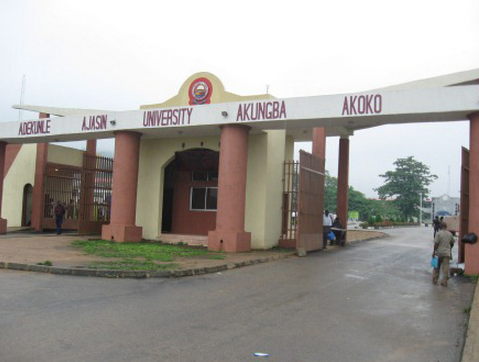
A picture of Adekunle Ajasin University
State UniversityUniversity

Adekunle Ajasin University (AAUA): Courses, School Fees, Ranking, and More

by Maryam A January 22, 2021
written by Maryam A

Adekunle Ajasin University (AAUA) was established, in 1982, by the government of old Ondo State. At inception, it was named Obafemi Awolowo University.

In 1999, the state-owned university was relocated to Akungba Akoko. In November 2007, it was renamed Adekunle Ajasin University.

AAUA is  considered by many as one of the notable state-owned universities in Nigeria.

AAUA Portal

To access AAUA’s portal, kindly visit: http://eportal.aaua.edu.ng/frontend/

Adekunle Ajasin University Courses

Some of the courses offered at Adekunle Ajasin University include:

History and International Studies

Computer Science

Banking and Finance

Economics

Biochemistry

Mass Communication

Adekunle Ajasin University  Logo

AAUA: Logo

Adekunle Ajasin University School Fees

Below is a breakdown of AAU’s tuition fees.

FACULTY CURRENT TUITION REDUCED TUITION for RETURNING STUDENTS
Agriculture N150,000 N100,000
Science N150,000 N120,000
Education N100,000 N80,000
Social & Management Sciences N150,000 N120,000
Arts N100,000 N80,000
Law N150,000 N150,000

 Adekunle Ajasin University Address

Adekunle Ajasin University is located in Akungba-Akoko, Ondo State, Nigeria.

Adekunle Ajasin University Cut Off Mark

The cut-off mark for Post UTME is 180. To qualify for screening and be considered for admission, candidates must score a minimum of 180 in UTME.

A picture of Adekunle Ajasin University

Adekunle Ajasin University Ranking

AAU currently ranks number 10 in Nigeria and 51 worldwide. The state-owned institution is no doubt, one of the reputable universities in Nigeria.

Adekunle Ajasin University Latest News

For campus news and events, kindly visit the official website: https://aaua.edu.ng/b/

January 22, 2021 0 comments
0 FacebookTwitterPinterestWhatsappTelegramCopy LinkEmail
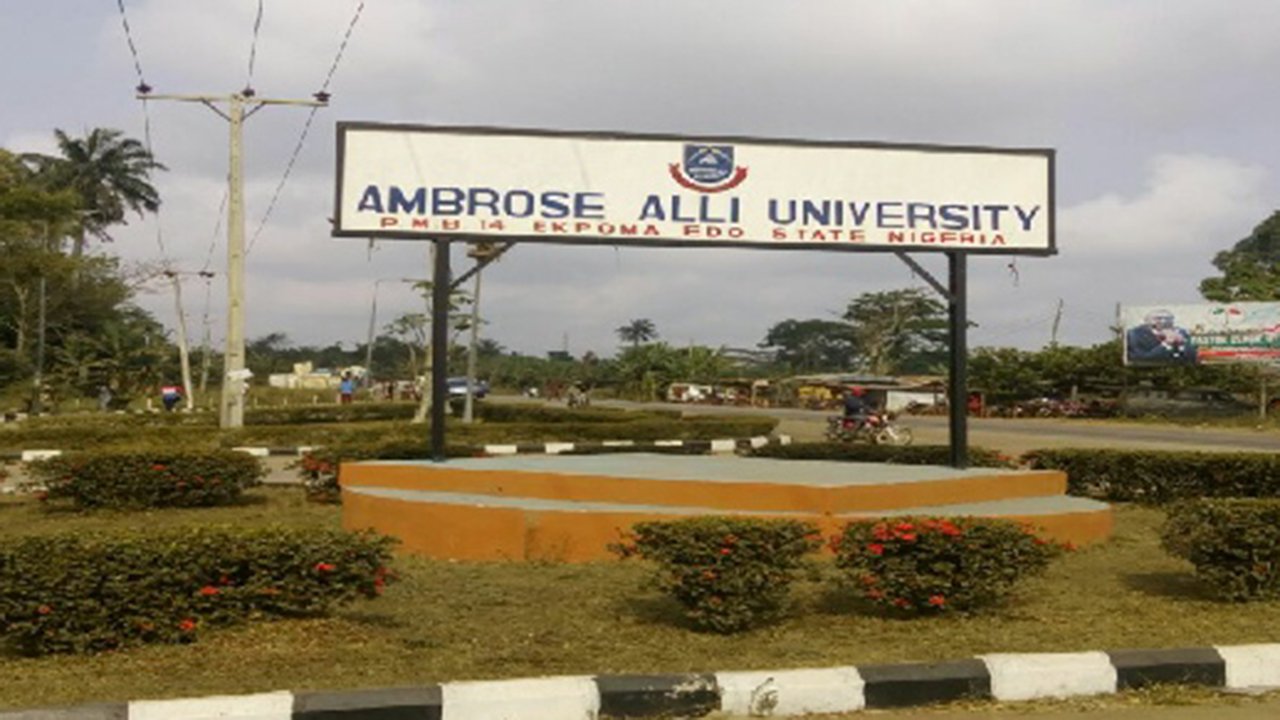
A picture of Ambrose Alli University
State UniversityUniversity

A Comprehensive Review of Ambrose Alli University (AAU)

by Maryam A January 22, 2021
written by Maryam A

Ambrose Alli University (AAU) is an institution of higher learning founded by the then governor of old Bendel State, Professor Ambrose Folorunsho Alli, in 1981.

AAU was formerly called Bendel State University. Afterwards, it was renamed Edo State University. In honour of the former Bendel State’s governor, its name changed to Ambrose Alli University.

This reputable institution aims at becoming the best state-owned university in the country. OOU currently deploys Information and Communications Technology (ICT) in its daily operations.

Ambrose Alli University Notable Alumni

The following are remarkable personalities who were products of the reputable institution:

Tony Elumelu

Aisha Buhari

Benedict Ayade

Francis Odega

Alibaba Akpobome

Omawumi

Don Jazzy

Festus Keyamo

Ambrose Alli University Logo

Ambrose Alli University School Fees

PROGRAMMES NEW STUDENTS (PER SESSION) OLD STUDENTS (PER SESSION)
Art, Social Sciences and Fine and Applied Arts N97,750 N34,500
Economics, Public Administration, Business Administration and Banking and Finance N111,500 N40,000
Natural Sciences, Agriculture and Education, Physiology N113,500 N41,000
Engineering, Natural Sciences (Microbiology and Computer Science), Architecture and Building N124,000 N45,000
Medicine N161,000 N47,000
Medical Laboratory Science, Anatomy, Nursing, Law and Accounting N129,000 N47,000
Institute of Education N11,500 N40,000

 Ambrose Alli University Cut Off Mark 2020

The cut-off mark at AAU is 180. To be eligible for the Post UTME screening, candidates must score 180 or above in JAMB.

 Ambrose Alli University Latest News

Stay up to date with the latest news about AAU by visiting their official website: https://www.aauekpoma.edu.ng/

Ambrose Alli University Post UTME 2020

Candidates seeking admission into Ambrose Alli University for the 2020/2021 academic session are required to score 180 or above in UTME. They must have also chosen AAU as their first choice.

The screening exercise attracts a fee of N2,000 only. To apply online, kindly visit: https://aaue.waeup.org

 Ambrose Alli University Transcript

To apply and process transcript, kindly visit: https://aaue-alumni.waeup.org/

Ambrose Alli University: Faculty of Life Sciences

Faculty of Life Sciences

Ambrose Alli University Courses

Below are some of the courses offered at AAU:

Accounting

Banking and Finance

Anatomy

Business Administration

Computer Science

Education and English Language

Mass Communication

January 22, 2021 0 comments
0 FacebookTwitterPinterestWhatsappTelegramCopy LinkEmail
Newer Posts
Older Posts
  • Business
  • college of Edu
  • Education
  • Featured
  • Federal Polytechnic
  • Federal University
  • FUTA
  • MBA
  • Other Institutions
  • Polytechnic
  • Private University
  • Scholarship
  • State Polytechnic
  • State University
  • University

IMPORTANT LINKS

  • About Us
  • Contact Us
  • Privacy Policy
Footer Logo
  • About Us
  • Contact Us
  • Privacy Policy

@2020 - All Right Reserved. Designed and Developed by Wapzola


Back To Top
School Reviews by Real Students.
  • Home
  • University
    • Federal University
    • State University
    • Private University
  • Polytechnic
    • State Polytechnic
    • Federal Polytechnic
  • college of Edu
  • Other Institutions
    • Scholarship
    • Business
    • MBA
  • Privacy Policy
  • About Us
  • Contact Us